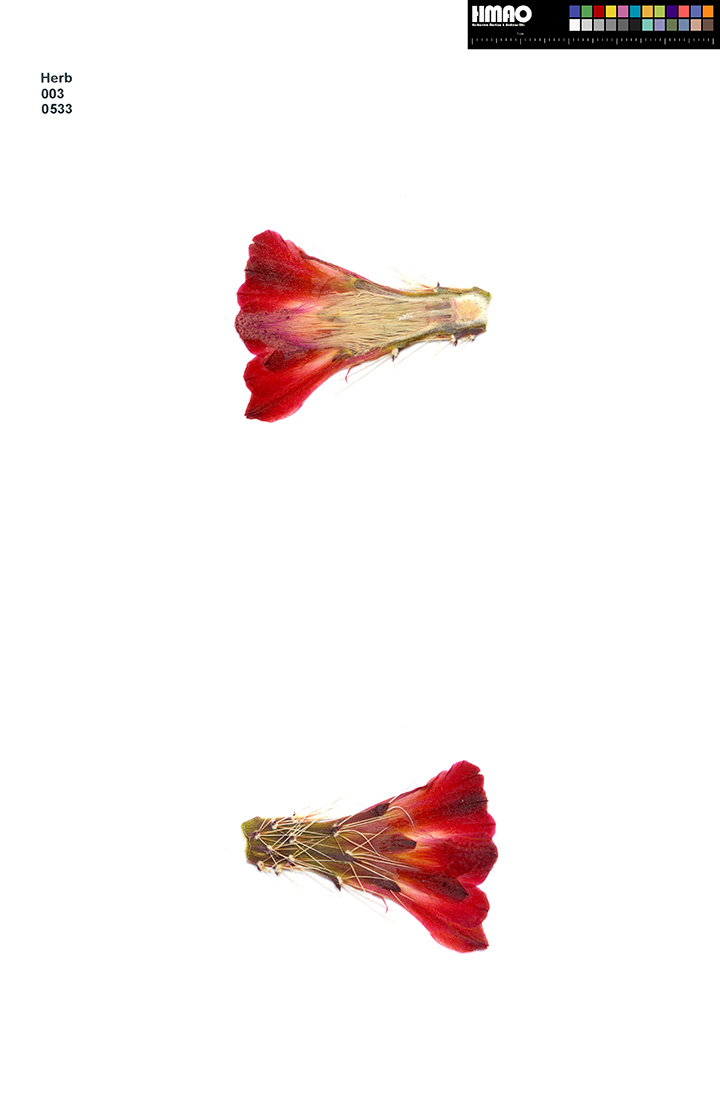
HMAO-003-0533 – Echinocereus mojavensis, USA, Arizona, Desert View
Herbarium Martina und Andreas Ohr HMAO-003-0533 Echinocereus mojavensis, USA, Arizona, Desert View Für die Ansicht mit Mobile Phones bitte Gerät in Querformat drehen
Herbarium Martina und Andreas Ohr HMAO-003-0533 Echinocereus mojavensis, USA, Arizona, Desert View Für die Ansicht mit Mobile Phones bitte Gerät in Querformat drehen
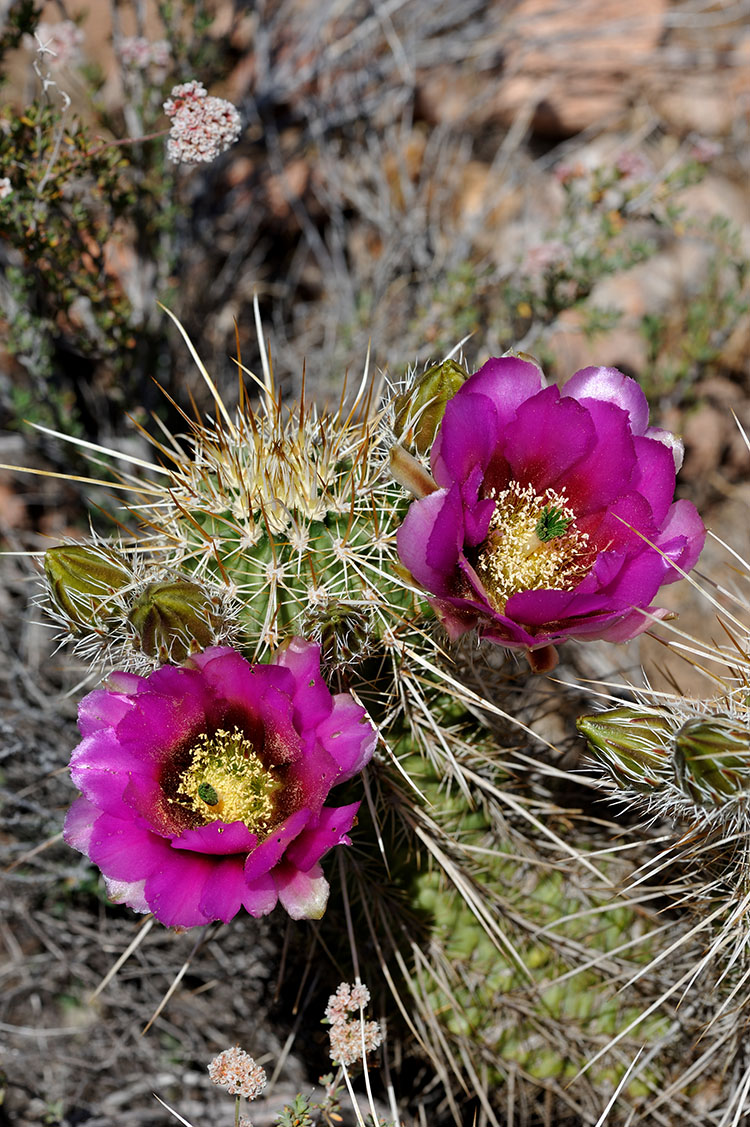

Herbarium Martina und Andreas Ohr HMAO-003-0532 Echinocereus mojavensis, USA, Arizona, Desert View Für die Ansicht mit Mobile Phones bitte Gerät in Querformat drehen
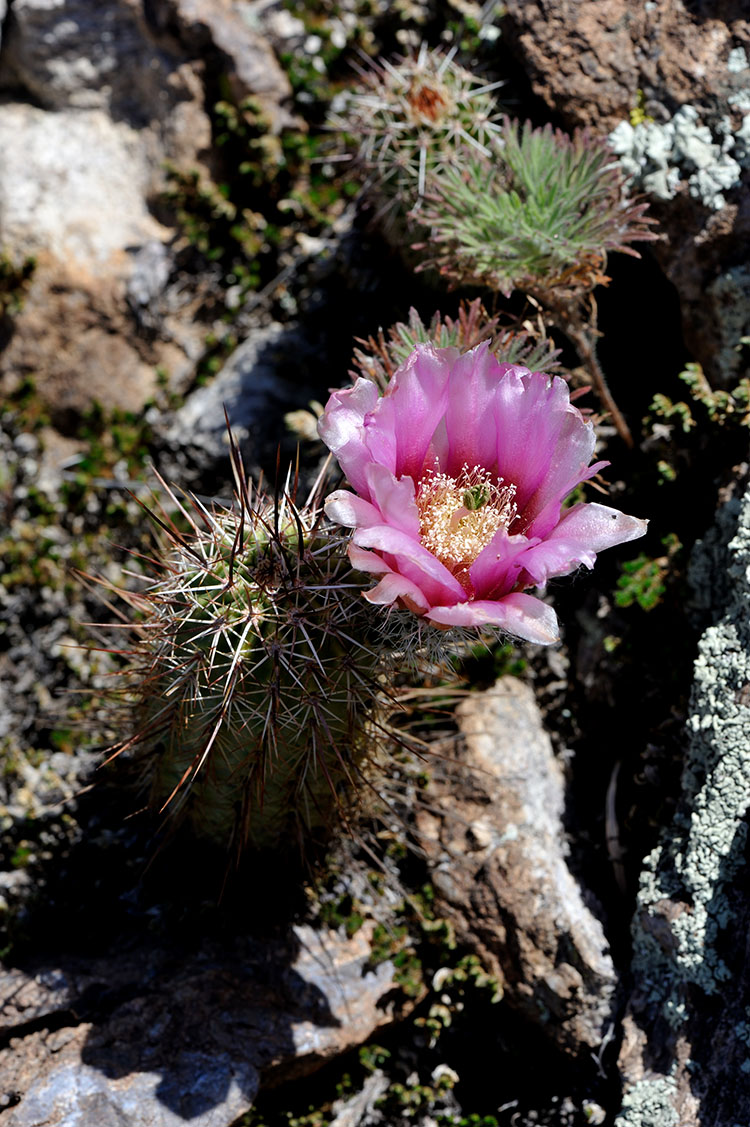
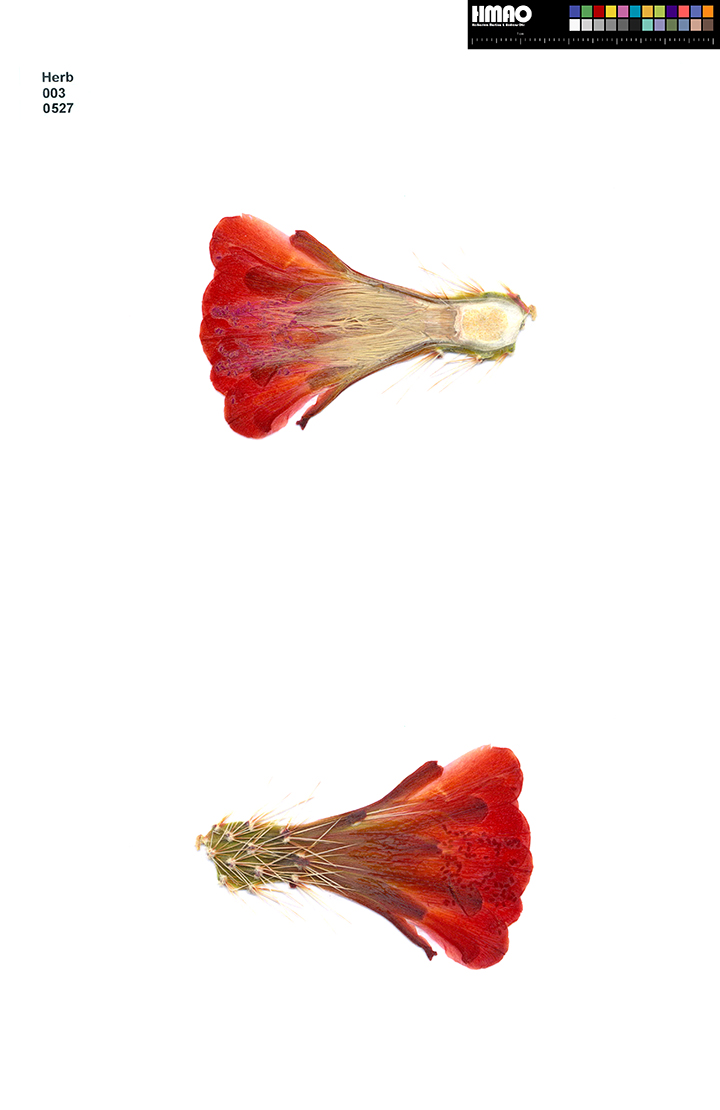
Herbarium Martina und Andreas Ohr HMAO-003-0527 Echinocereus mojavensis, USA, Arizona, Kayenta Für die Ansicht mit Mobile Phones bitte Gerät in Querformat drehen
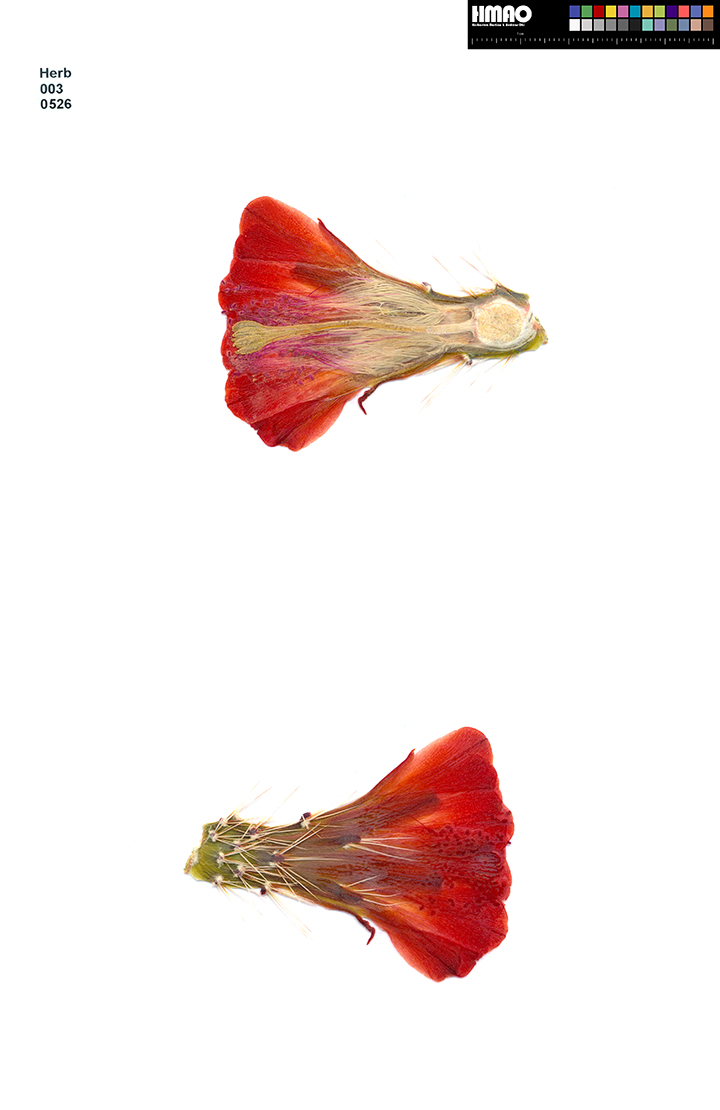
Herbarium Martina und Andreas Ohr HMAO-003-0526 Echinocereus mojavensis, USA, Arizona, Kayenta Für die Ansicht mit Mobile Phones bitte Gerät in Querformat drehen

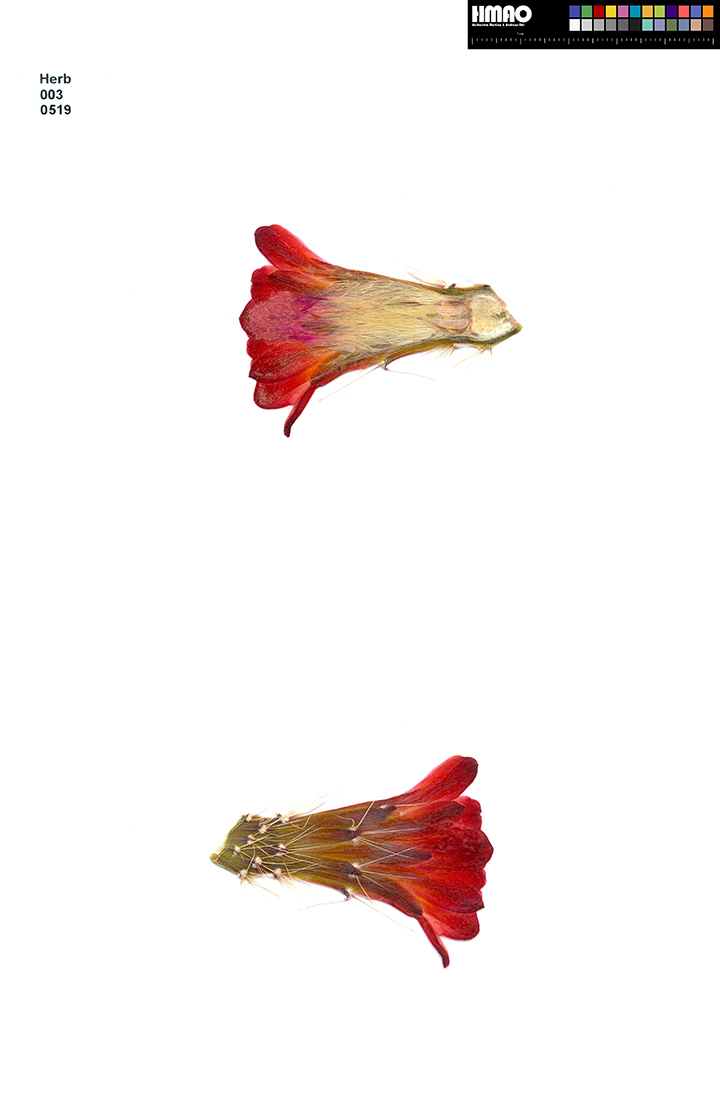
Herbarium Martina und Andreas Ohr HMAO-003-0519 Echinocereus mojavensis, USA, Arizona, Flagstaff-Jakob Lake Für die Ansicht mit Mobile Phones bitte Gerät in Querformat drehen
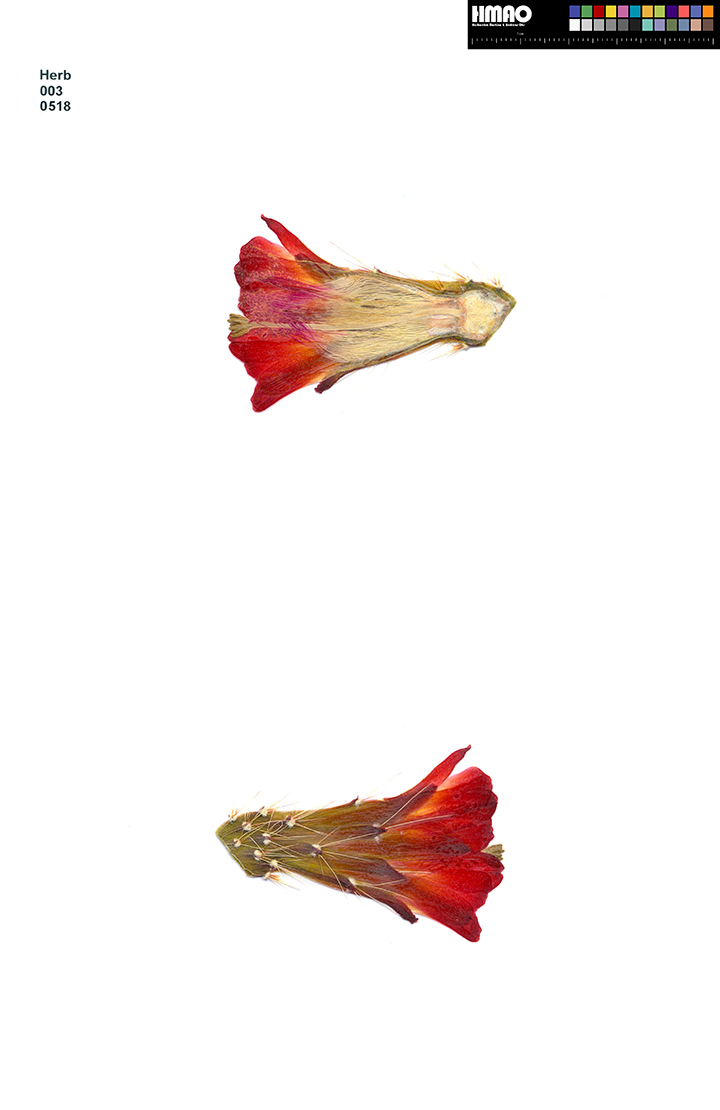
Martina und Andreas Ohr HMAO-003-0518 Echinocereus mojavensis, USA, Arizona, Flagstaff-Jakob Lake Für die Ansicht mit Mobile Phones bitte Gerät in Querformat drehen
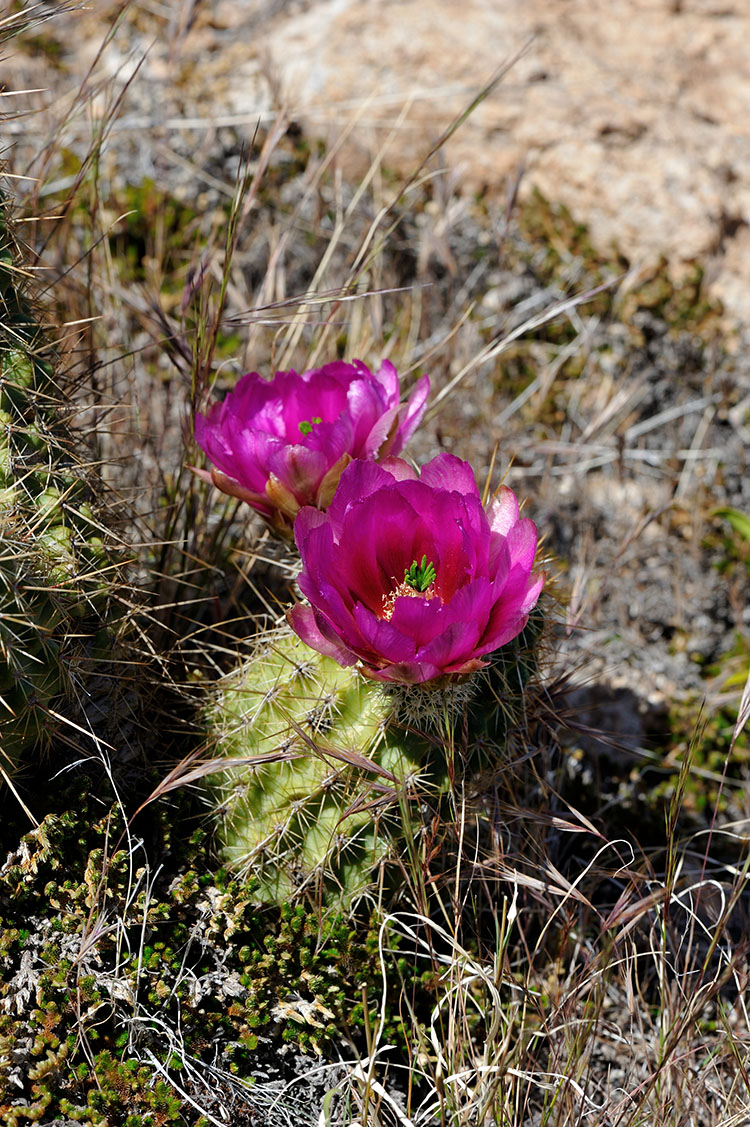

Verfügbarkeit von Echinocereus bonkerae im Echinocereus Online Shop prüfen
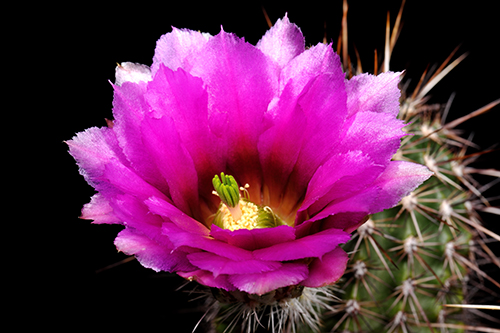
Verfügbarkeit von Echinocereus bonkerae im Echinocereus Online Shop prüfen

Herbarium Martina und Andreas Ohr HMAO-003-0505 Echinocereus mojavensis, USA, Arizona, Flagstaff-Page Für die Ansicht mit Mobile Phones bitte Gerät in Querformat drehen
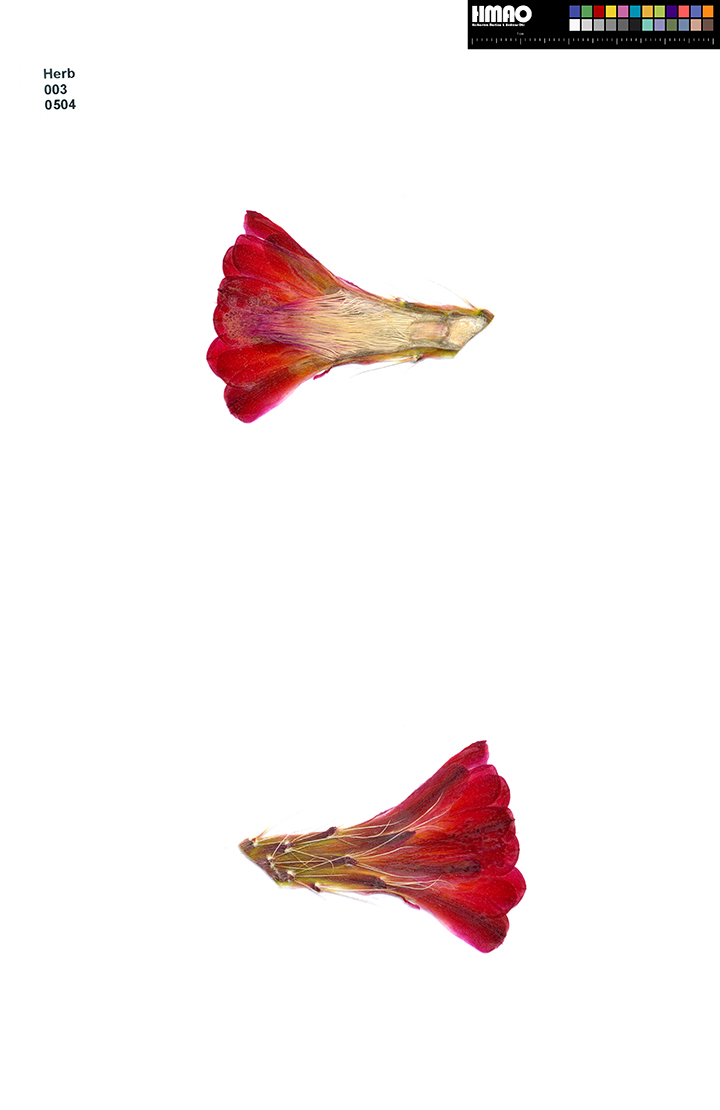
Herbarium Martina und Andreas Ohr HMAO-003-0504 Echinocereus mojavensis, USA, Arizona, Flagstaff-Page Für die Ansicht mit Mobile Phones bitte Gerät in Querformat drehen
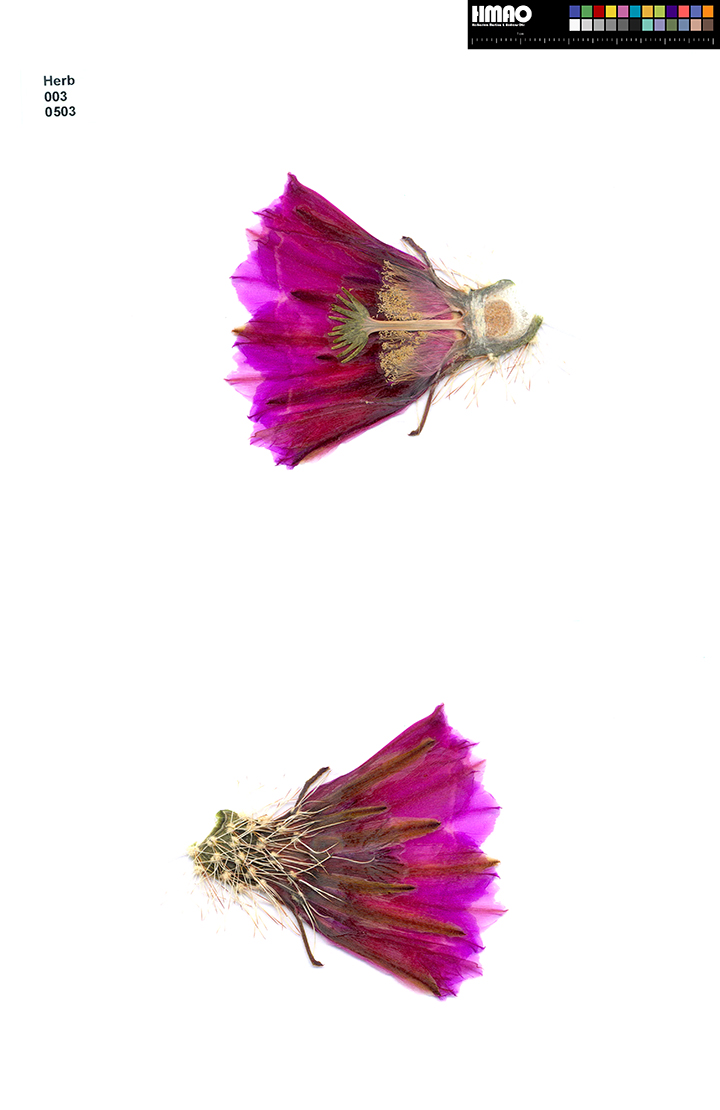
Herbarium Martina und Andreas Ohr HMAO-003-0503 Echinocereus engelmannii fasciculatus, USA, Arizona, Apache Trail Für die Ansicht mit Mobile Phones bitte Gerät in Querformat drehen
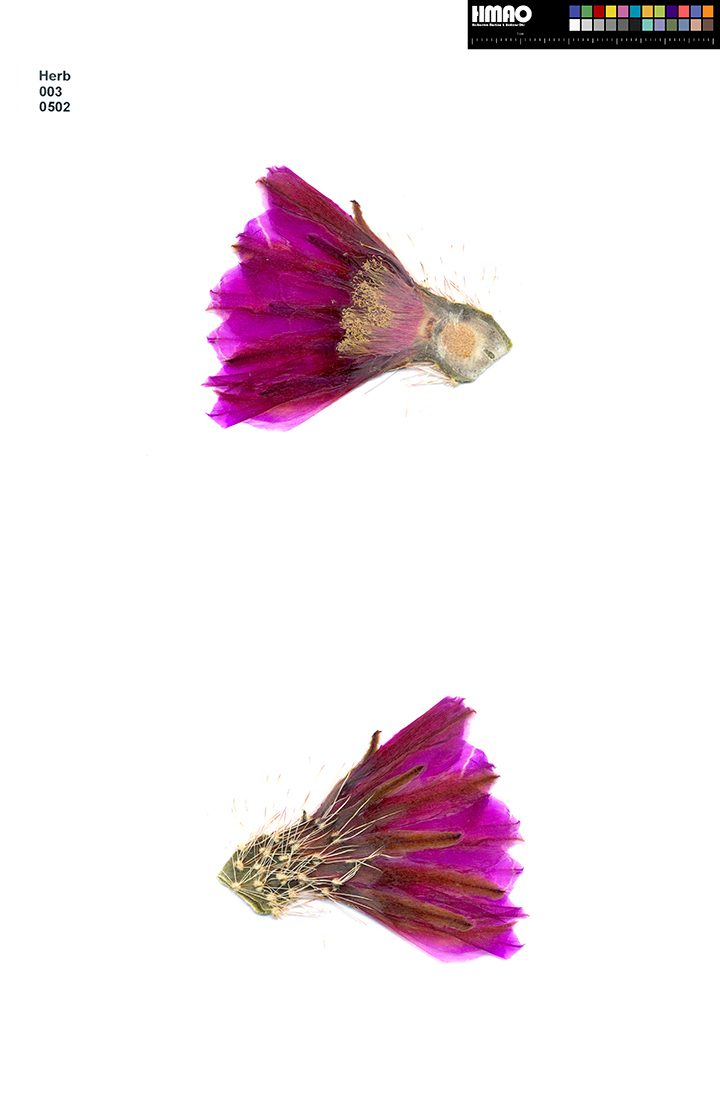
Herbarium Martina und Andreas Ohr HMAO-003-0502 Echinocereus engelmannii fasciculatus, USA, Arizona, Apache Trail Für die Ansicht mit Mobile Phones bitte Gerät in Querformat drehen
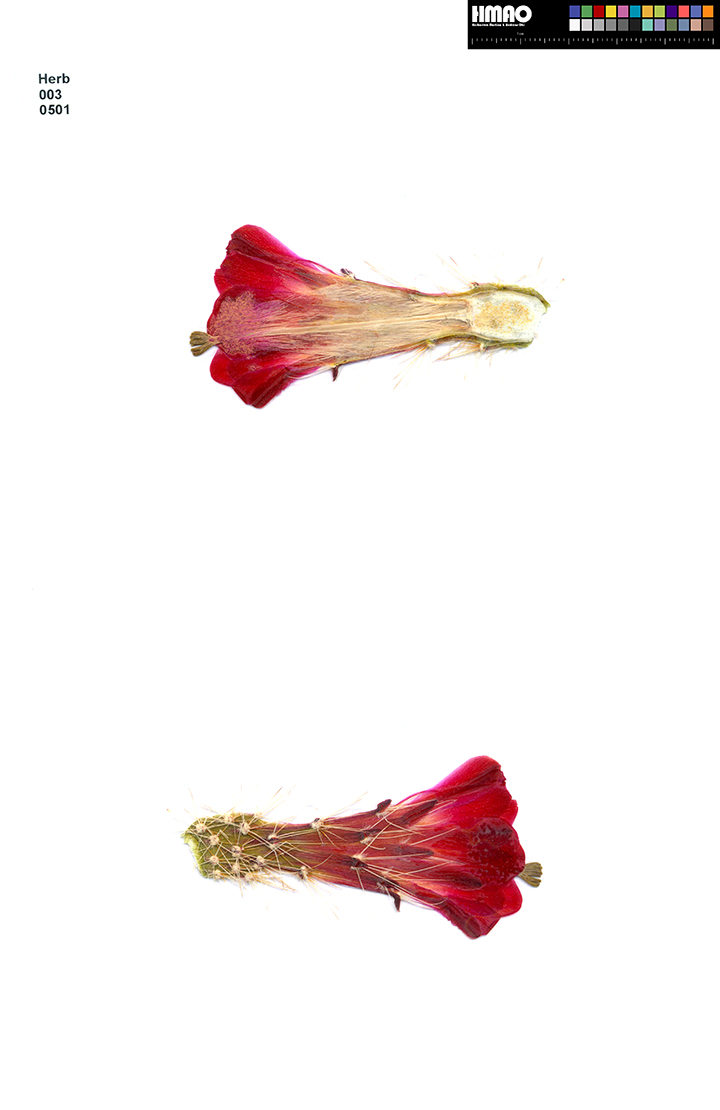
Herbarium Martina und Andreas Ohr HMAO-003-0501 Echinocereus bakeri, USA, Arizona, Granite Für die Ansicht mit Mobile Phones bitte Gerät in Querformat drehen

Herbarium Martina und Andreas Ohr HMAO-003-0500 Echinocereus bakeri, USA, Arizona, Granite Für die Ansicht mit Mobile Phones bitte Gerät in Querformat drehen
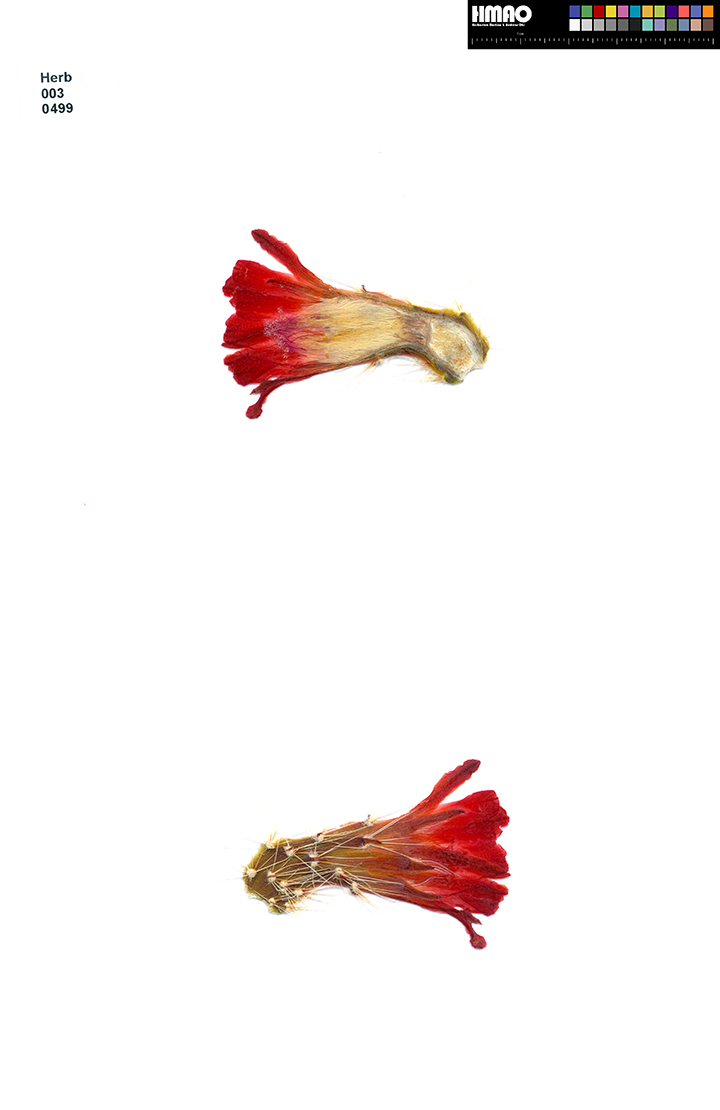
Herbarium Martina und Andreas Ohr HMAO-003-0499 Echinocereus bakeri, USA, Arizona, Granite Für die Ansicht mit Mobile Phones bitte Gerät in Querformat drehen
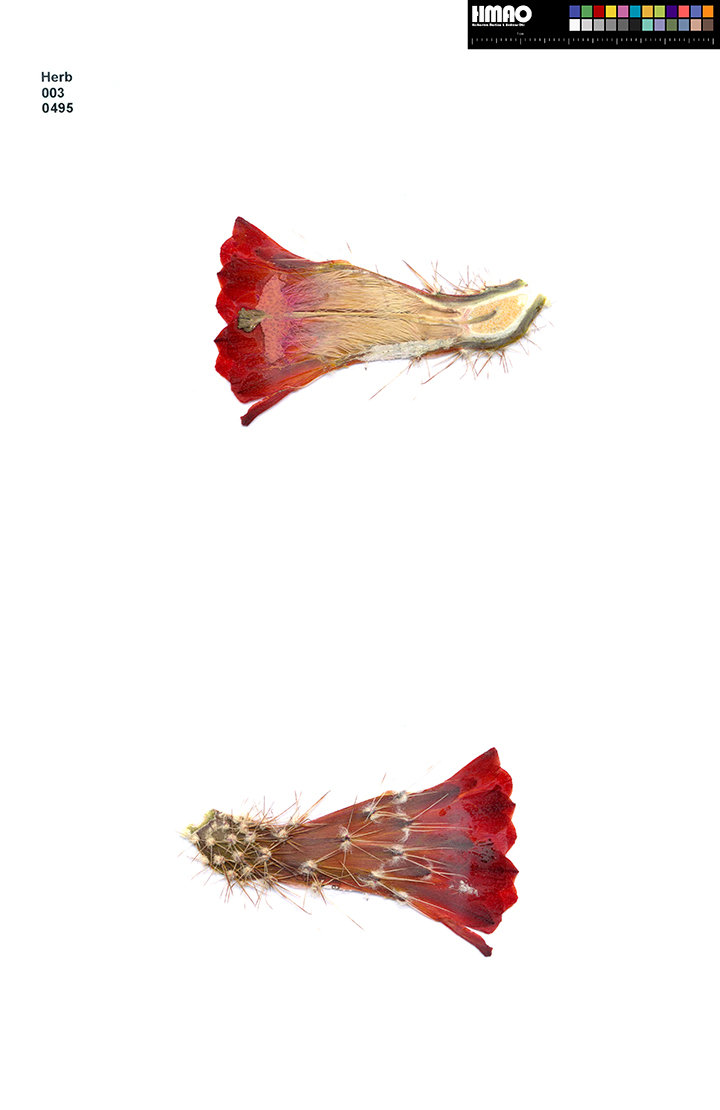
Herbarium Martina und Andreas Ohr HMAO-003-0495 Echinocereus santaritensis, USA, Arizona, Mt. Lemmon Für die Ansicht mit Mobile Phones bitte Gerät in Querformat drehen
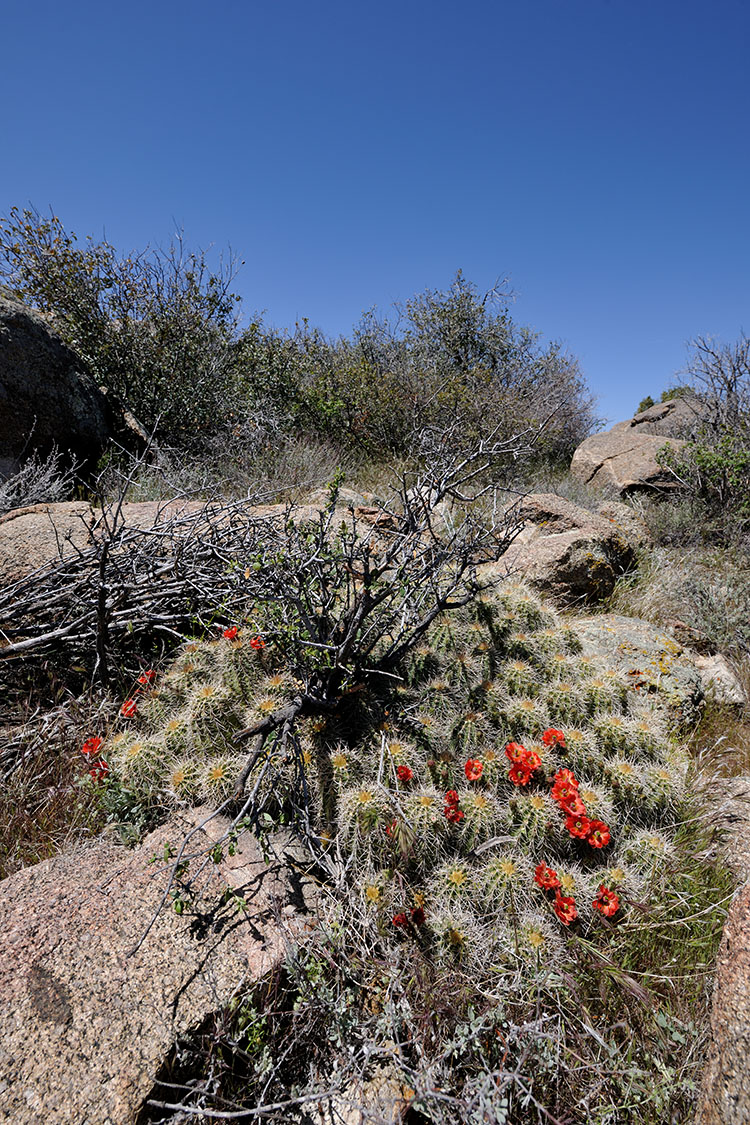
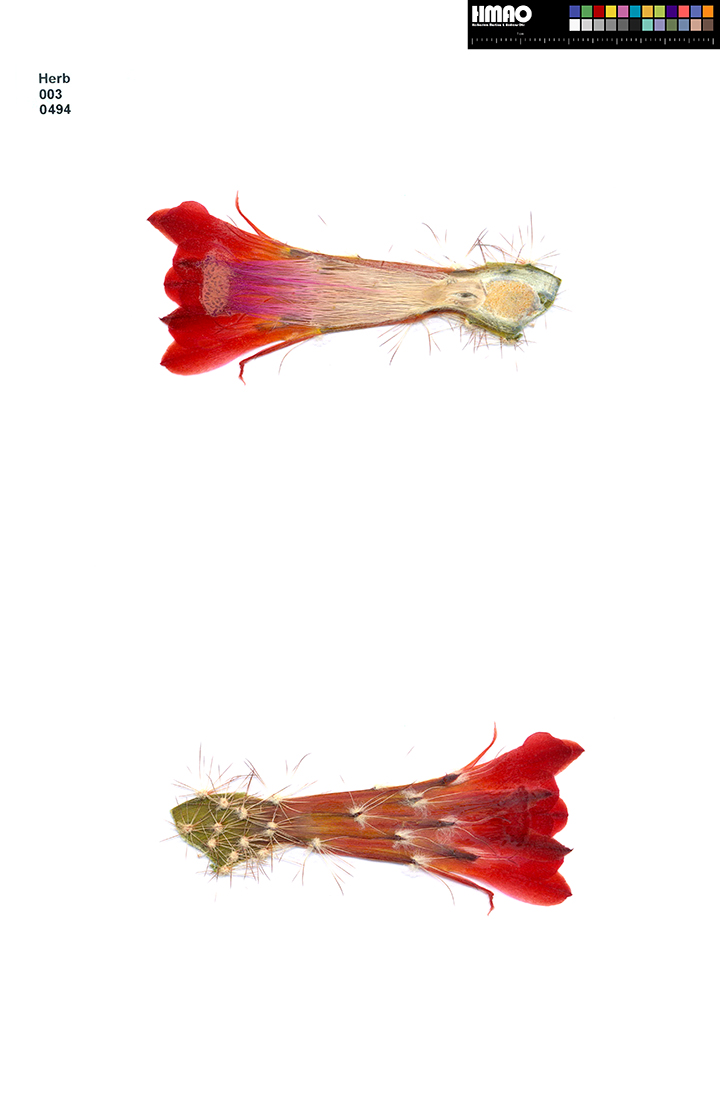
Herbarium Martina und Andreas Ohr HMAO-003-0494 Echinocereus santaritensis, USA, Arizona, Mt. Lemmon Für die Ansicht mit Mobile Phones bitte Gerät in Querformat drehen
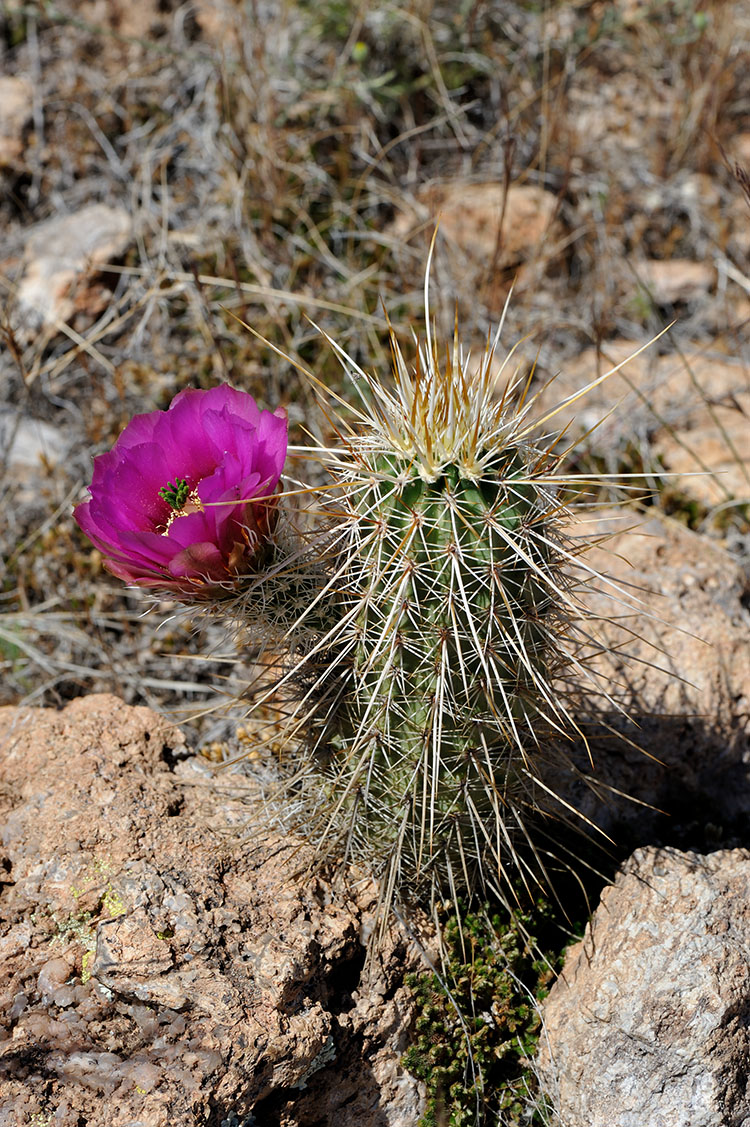
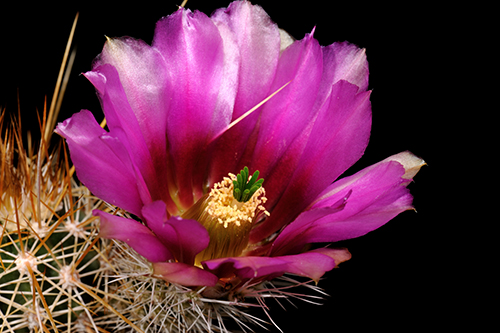
Verfügbarkeit von Echinocereus engelmannii im Echinocereus Online Shop prüfen
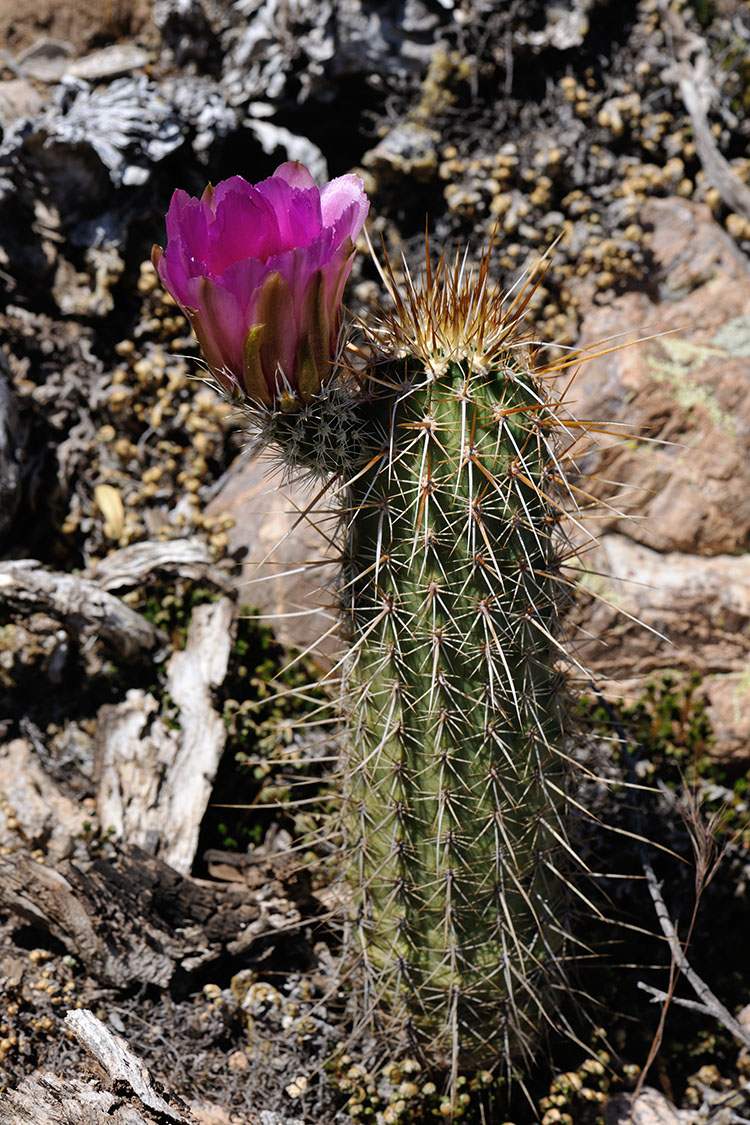
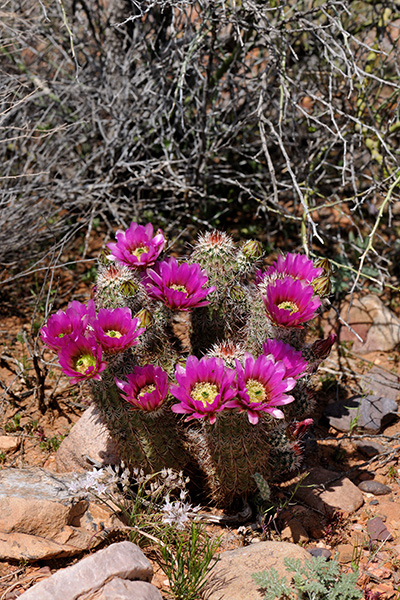
Echinocereus bonkerae J.J. THORNBER & F. BONKER The Fantastic Clan: 71 – 73, 85 (1932) Locus typus USA, Arizona, Pinal County, Sta. Catalina Mts., südliches Oracle Synonyme Echinocereus fendleri var. bonkerae Echinocereus boyce-thompsonii var. bonkerae Echinocereus fasciculatus var. bonkerae Echinocereus fasciculatus subsp. bonkerae Etymologie Echinocereus = Igelsäulenkaktus bonkerae = benannt nach Frances Bonker Originaltext der Erstbeschreibung (Auszug) It differs from all other species of its kind in that all the spines are very short, and its fruit is sweet and more nearly the size of a strawberry than any of the others; also the spines do not suggest the Hedgehog Cactus, so that the common name of Short Spined Strawberry Cactus Is given to Bonkerae, as more nearly resembling a strawberry in its fruit than any other of the Strawberry Cactus clan. The juicy, luscious berries, less than an inch long, are delicious as jam or served cold with cream; they are always the first to appear in the spring. Often but two inches tall, sometimes reaching six or eight inches, this little Strawberry Cactus …
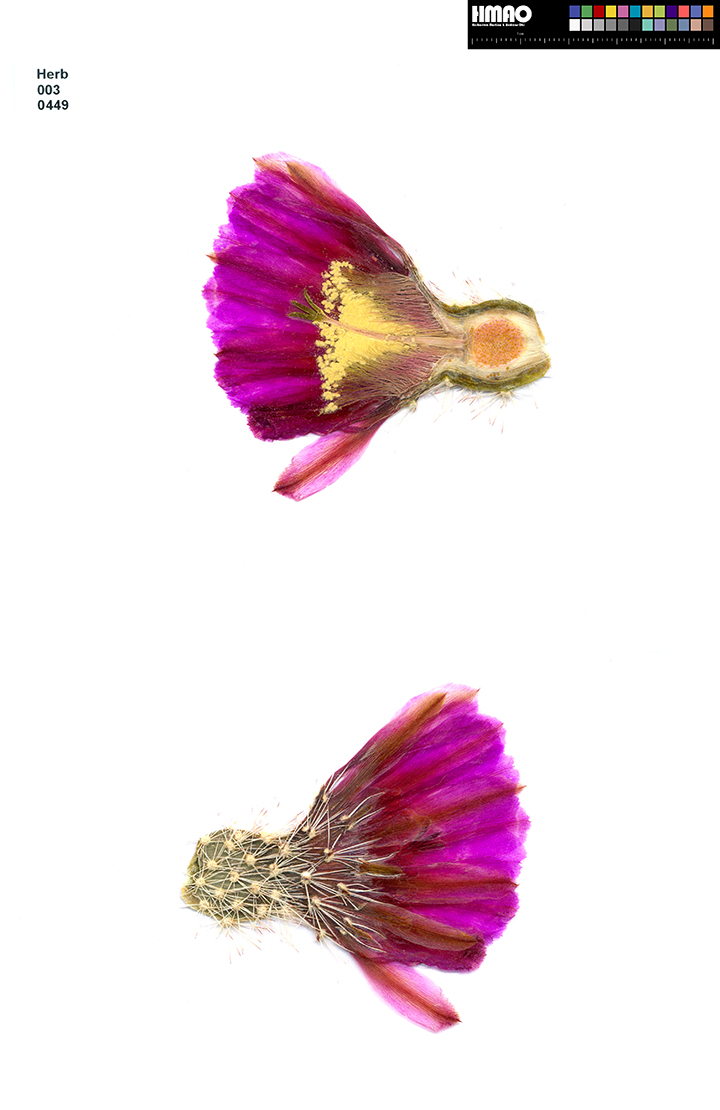
Herbarium Martina und Andreas Ohr HMAO-003-0449 Echinocereus engelmannii, USA, Arizona, Toroweap Point Für die Ansicht mit Mobile Phones bitte Gerät in Querformat drehen
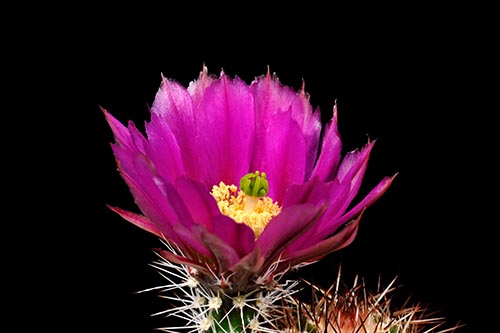
Verfügbarkeit von Echinocereus bonkerae im Echinocereus Online Shop prüfen
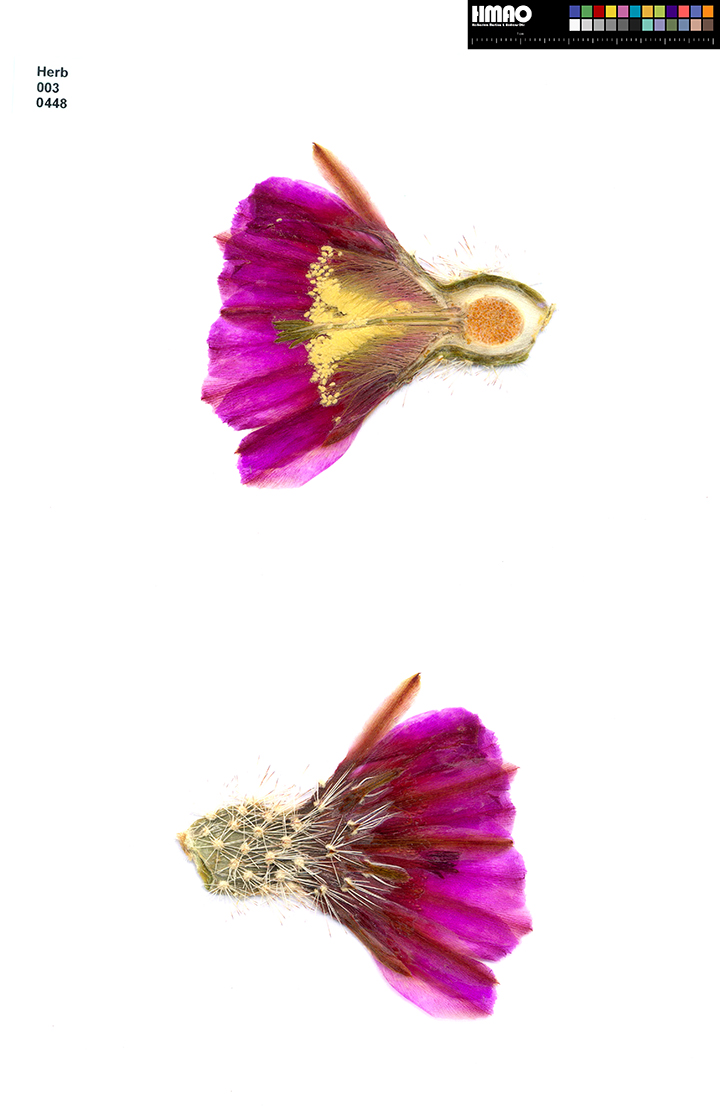
Herbarium Martina und Andreas Ohr HMAO-003-0448 Echinocereus engelmannii, USA, Arizona, Toroweap Point Für die Ansicht mit Mobile Phones bitte Gerät in Querformat drehen

Merken
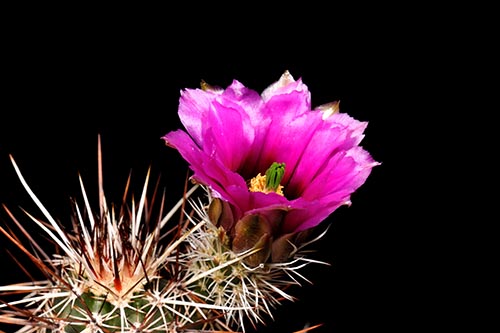
Verfügbarkeit von Echinocereus engelmannii im Echinocereus Online Shop prüfen
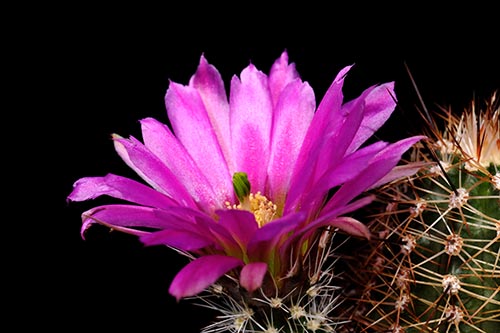
Verfügbarkeit von Echinocereus bonkerae im Echinocereus Online Shop prüfen
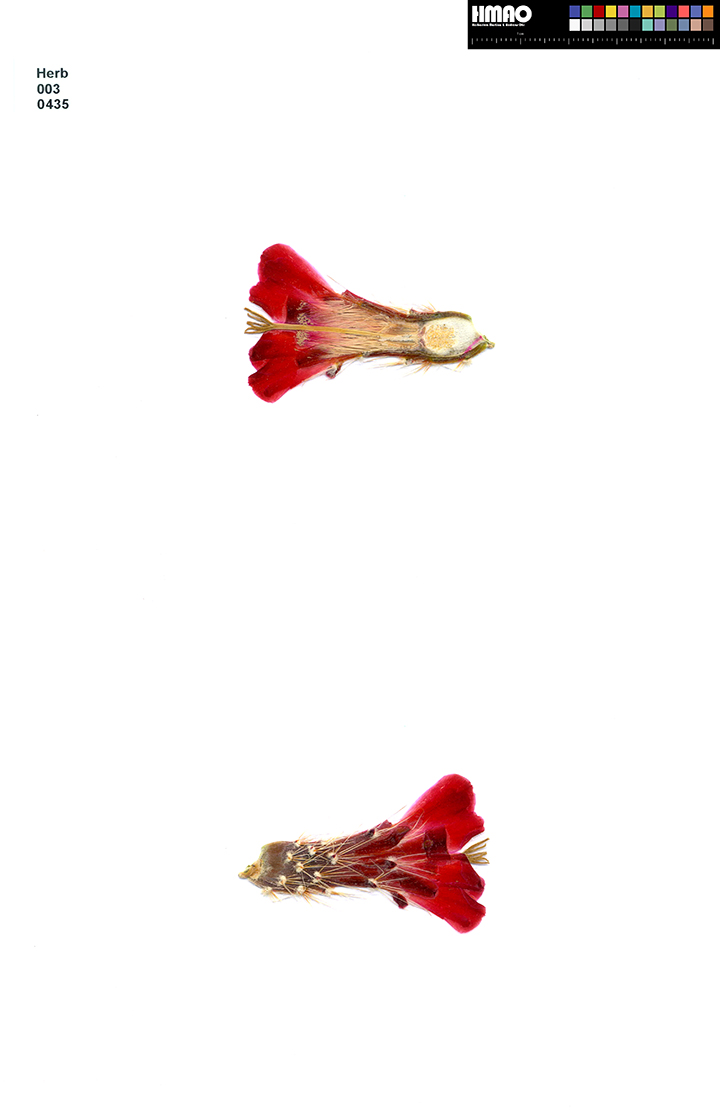
Herbarium Martina und Andreas Ohr HMAO-003-0435 Echinocereus bakeri, USA, Arizona, Seligman-Kingman Für die Ansicht mit Mobile Phones bitte Gerät in Querformat drehen
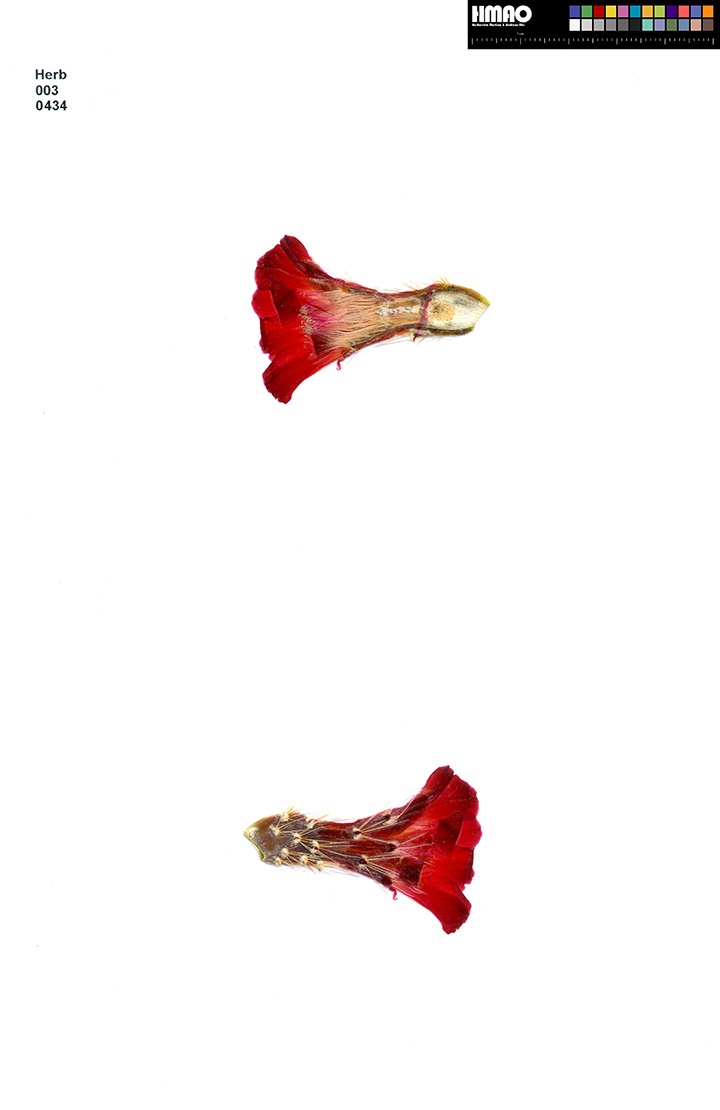
Herbarium Martina und Andreas Ohr HMAO-003-0434 Echinocereus bakeri, USA, Arizona, Seligman-Kingman Für die Ansicht mit Mobile Phones bitte Gerät in Querformat drehen
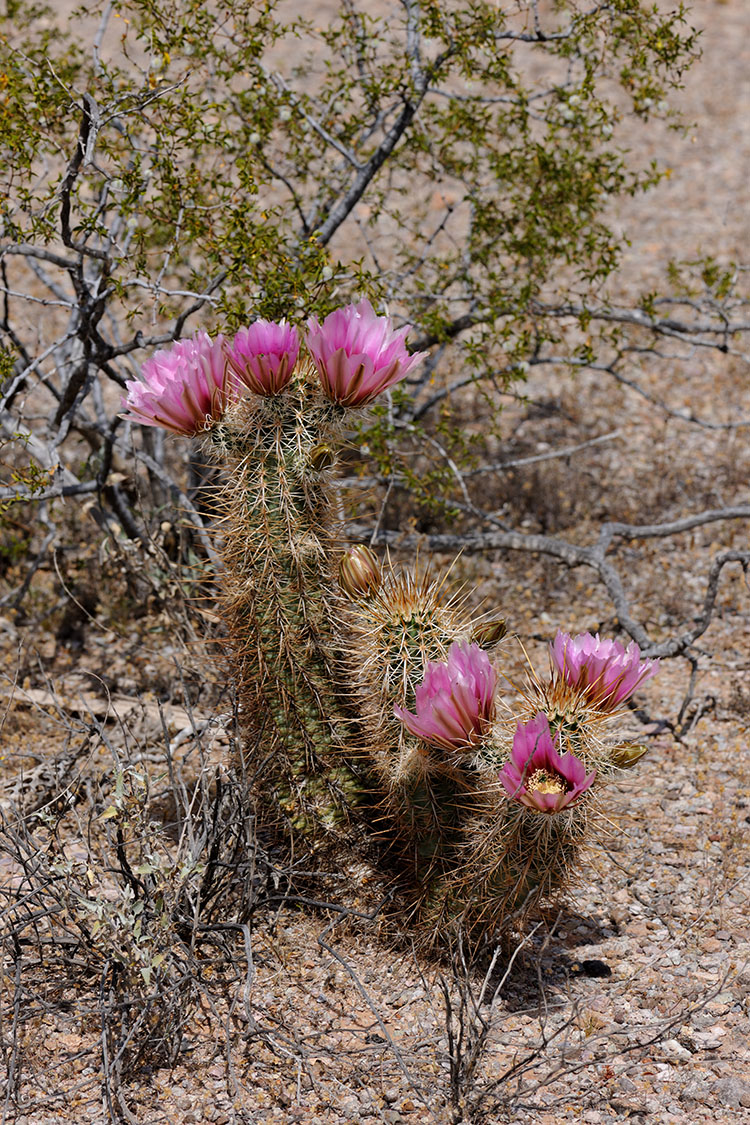
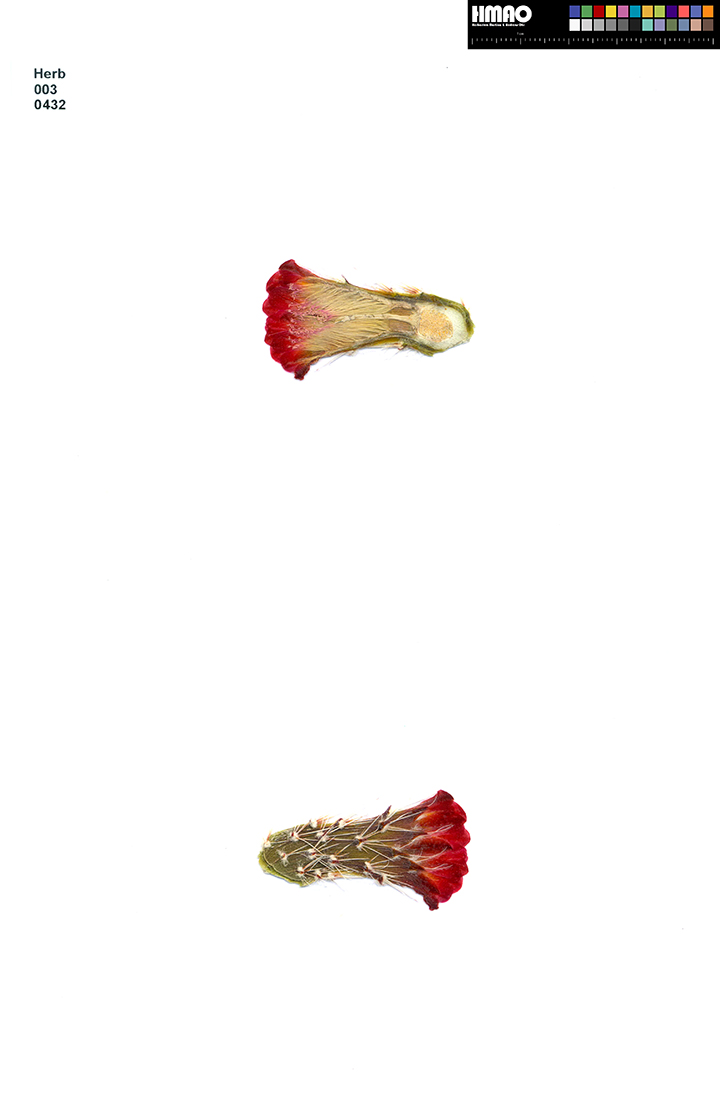
Herbarium Martina und Andreas Ohr HMAO-003-0432 Echinocereus canyonensis, USA, Arizona, Toroweap Point Für die Ansicht mit Mobile Phones bitte Gerät in Querformat drehen

Herbarium Martina und Andreas Ohr HMAO-003-0431 Echinocereus canyonensis, USA, Arizona, Toroweap Point Für die Ansicht mit Mobile Phones bitte Gerät in Querformat drehen

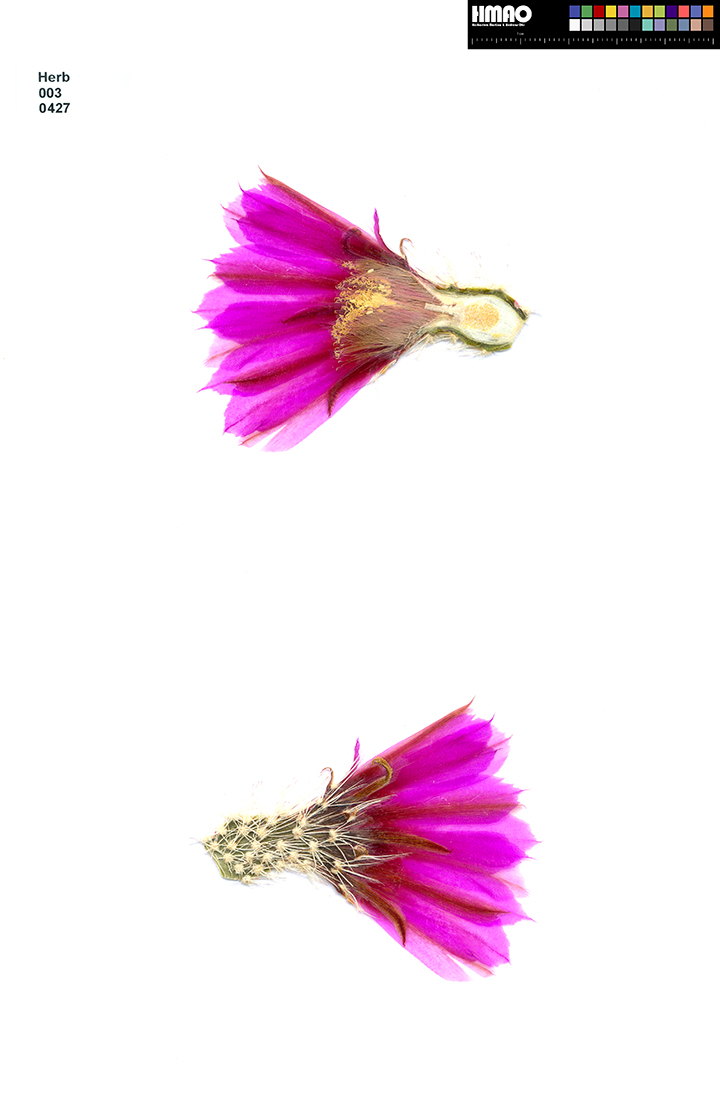
Herbarium Martina und Andreas Ohr HMAO-003-0427 Echinocereus engelmannii, USA, Arizona, Seligman-Kingman Für die Ansicht mit Mobile Phones bitte Gerät in Querformat drehen
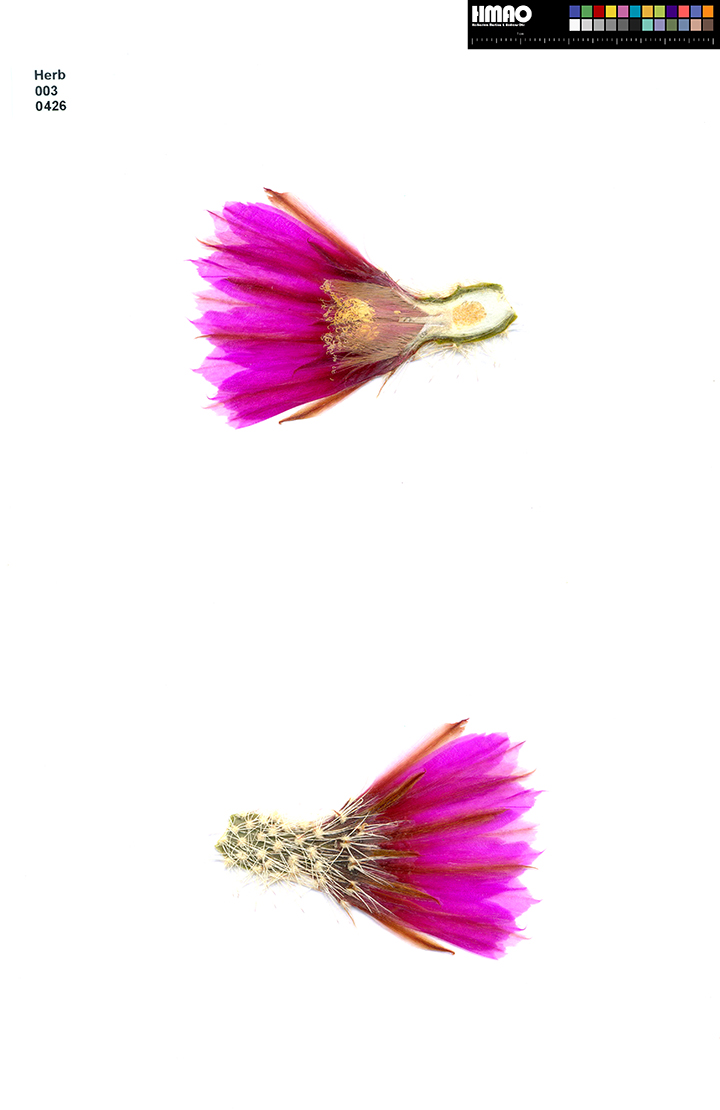
Herbarium Martina und Andreas Ohr HMAO-003-0426 Echinocereus engelmannii, USA, Arizona, Seligman-Kingman Für die Ansicht mit Mobile Phones bitte Gerät in Querformat drehen

Verfügbarkeit von Echinocereus mojavensis im Echinocereus Online Shop prüfen
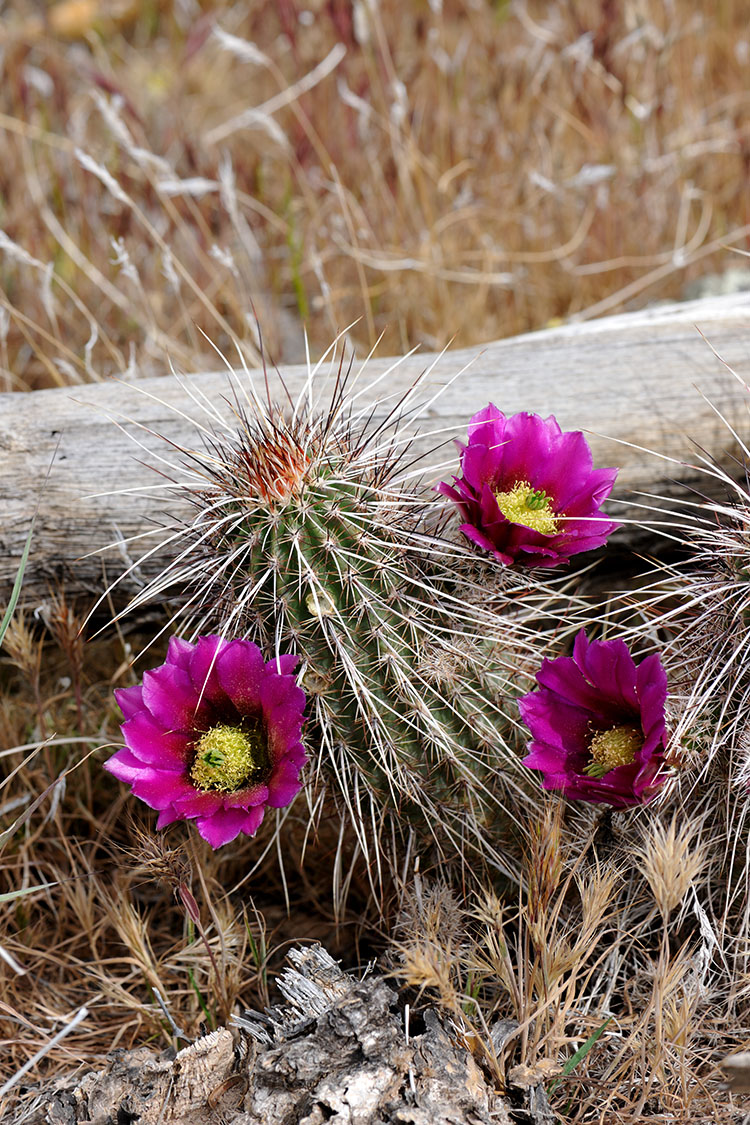
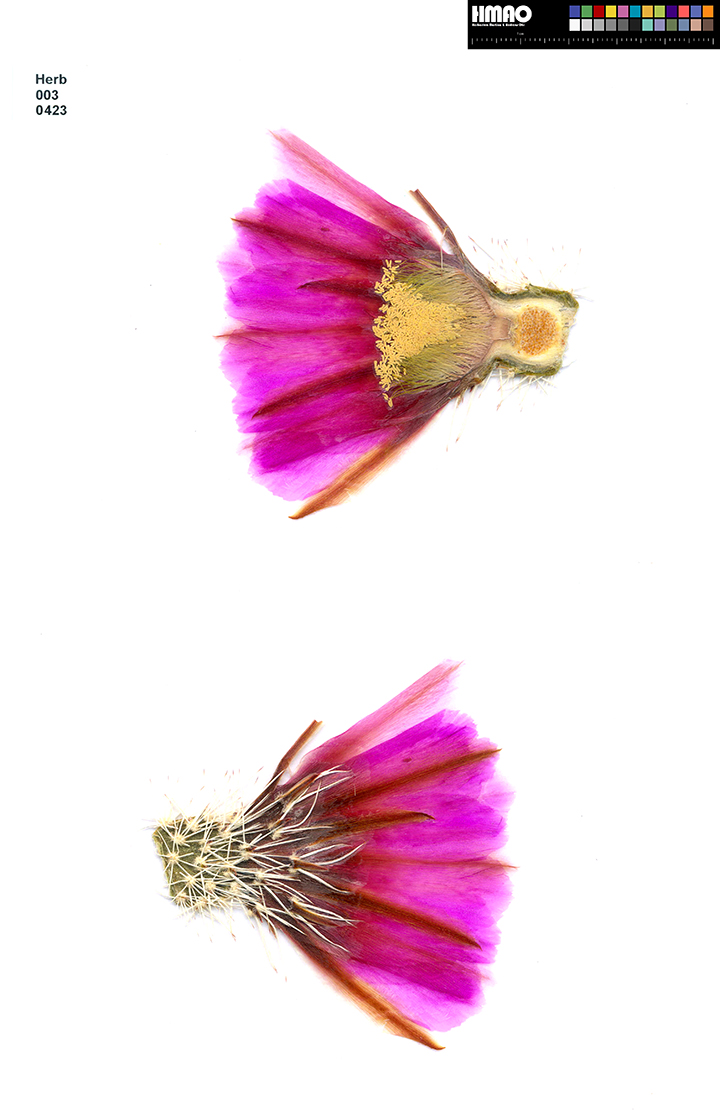
Herbarium Martina und Andreas Ohr HMAO-003-0423 Echinocereus fendleri rectispinus, USA, Arizona, Sonoita Für die Ansicht mit Mobile Phones bitte Gerät in Querformat drehen

Herbarium Martina und Andreas Ohr HMAO-003-0422 Echinocereus fendleri rectispinus, USA, Arizona, Sonoita Für die Ansicht mit Mobile Phones bitte Gerät in Querformat drehen
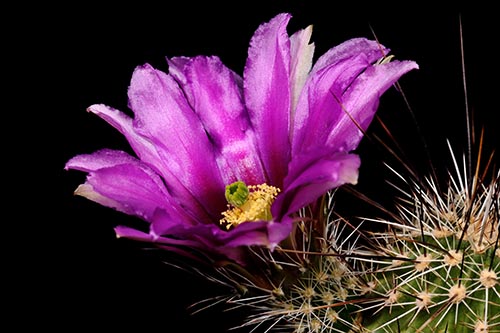
Verfügbarkeit von Echinocereus bonkerae subsp. apachensis im Echinocereus Online Shop prüfen
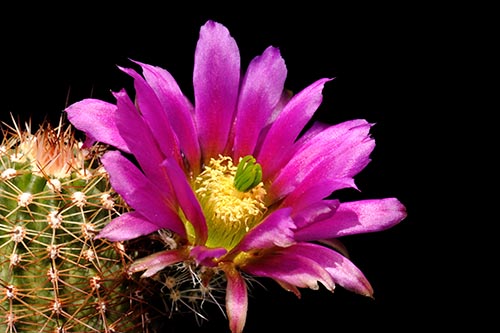
Verfügbarkeit von Echinocereus bonkerae im Echinocereus Online Shop prüfen
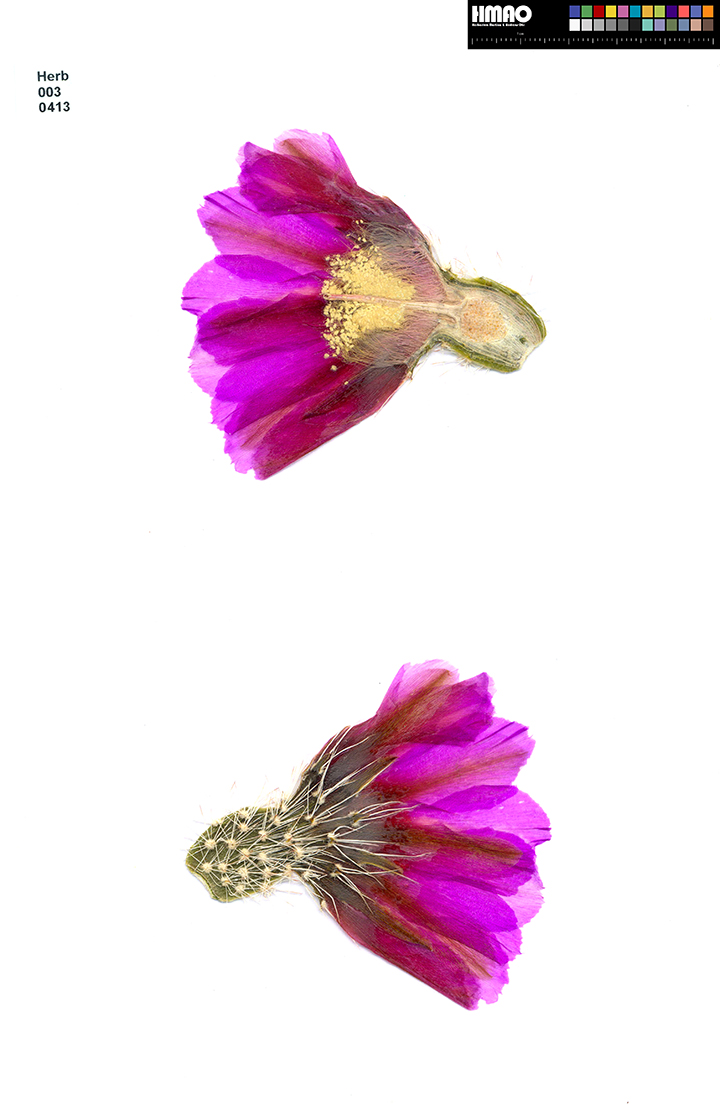
Herbarium Martina und Andreas Ohr HMAO-003-0413 Echinocereus engelmannii fasciculatus, USA, Arizona, Jerome Für die Ansicht mit Mobile Phones bitte Gerät in Querformat drehen
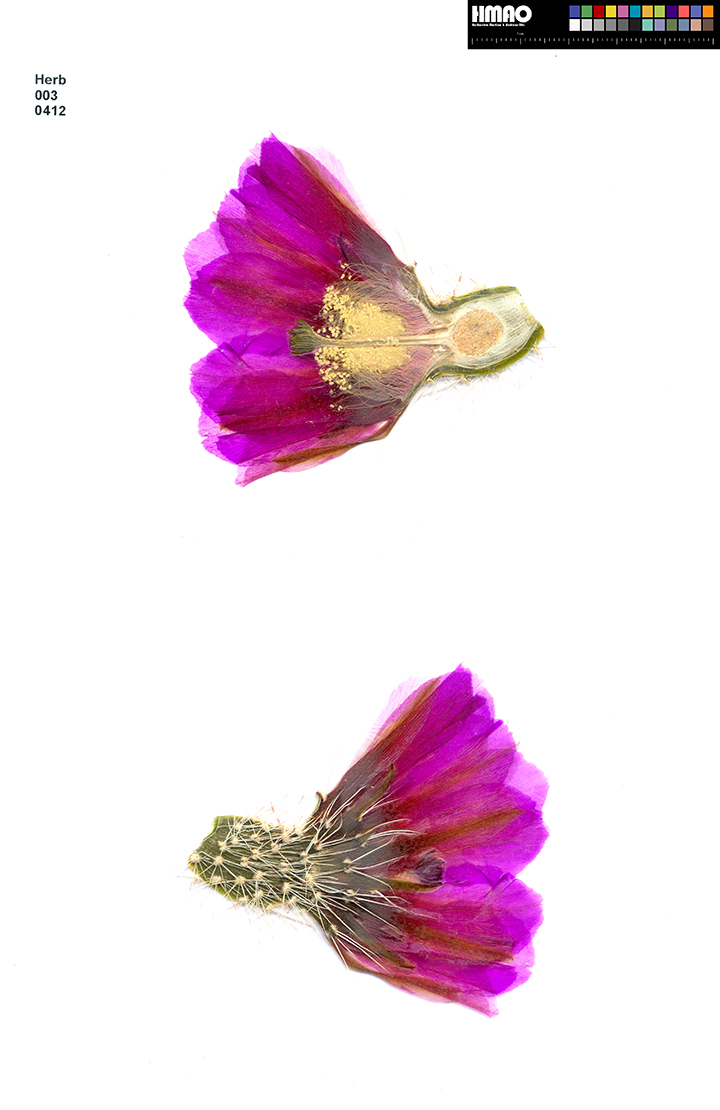
Herbarium Martina und Andreas Ohr HMAO-003-0412 Echinocereus engelmannii fasciculatus, USA, Arizona, Jerome Für die Ansicht mit Mobile Phones bitte Gerät in Querformat drehen

Verfügbarkeit von Echinocereus nicholii im Echinocereus Online Shop prüfen
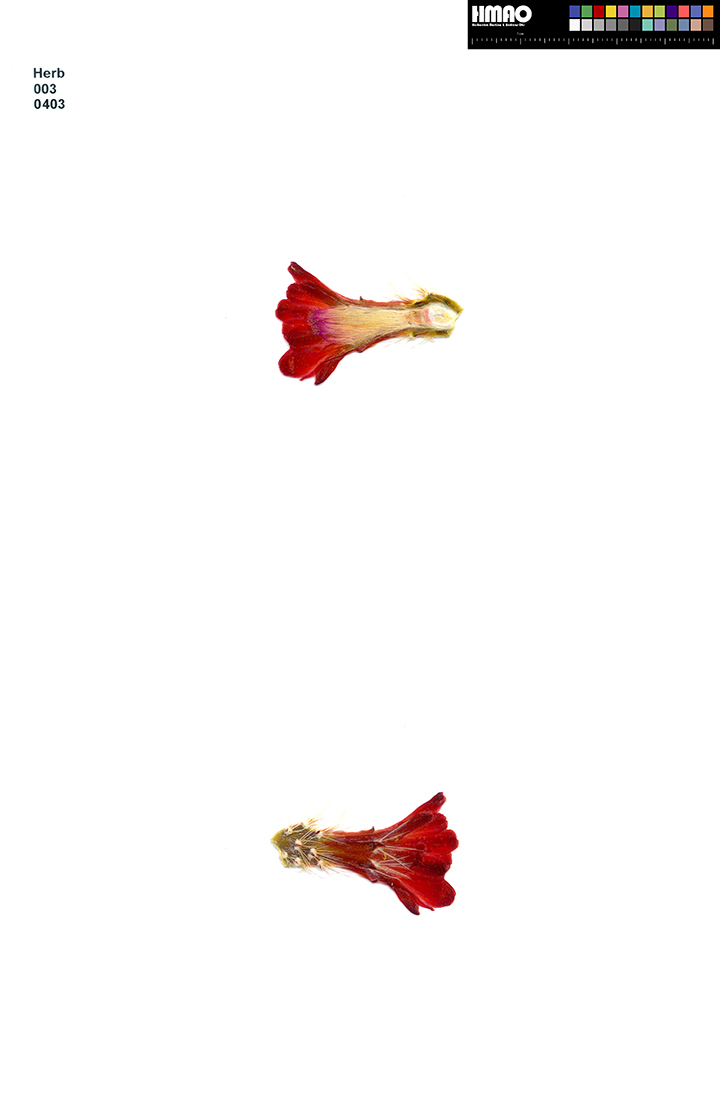
Herbarium Martina und Andreas Ohr HMAO-003-0403 Echinocereus bakeri, USA, Arizona, Kingman-Seligman Für die Ansicht mit Mobile Phones bitte Gerät in Querformat drehen
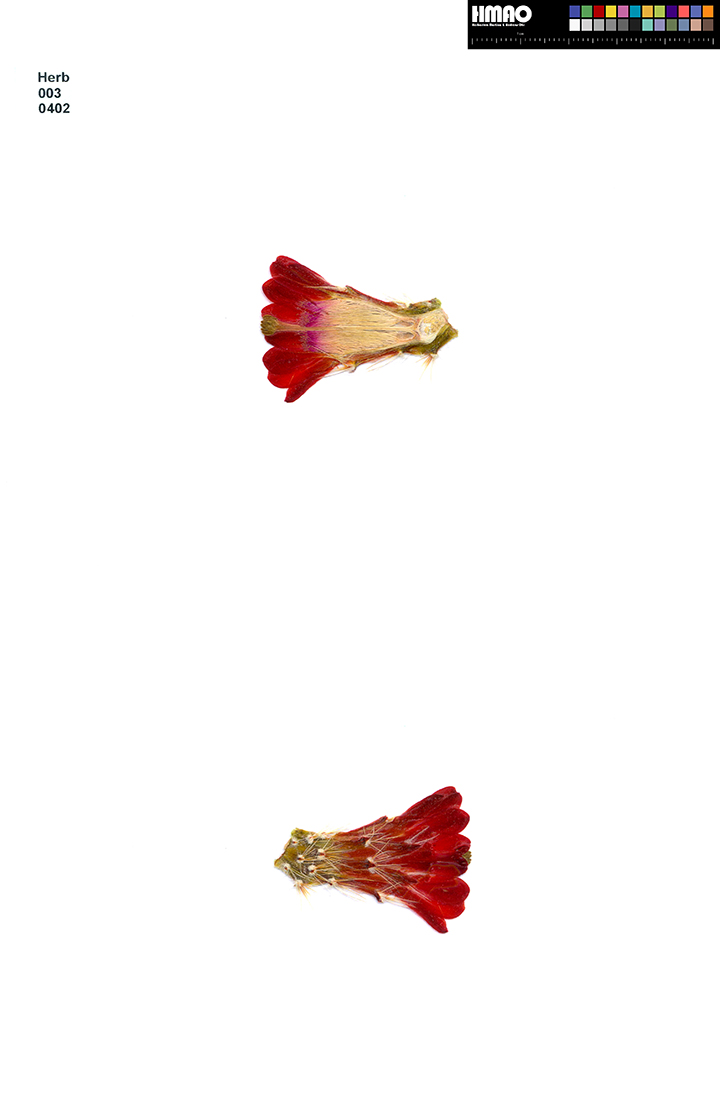
Herbarium Martina und Andreas Ohr HMAO-003-0402 Echinocereus bakeri, USA, Arizona, Kingman-Seligman Für die Ansicht mit Mobile Phones bitte Gerät in Querformat drehen
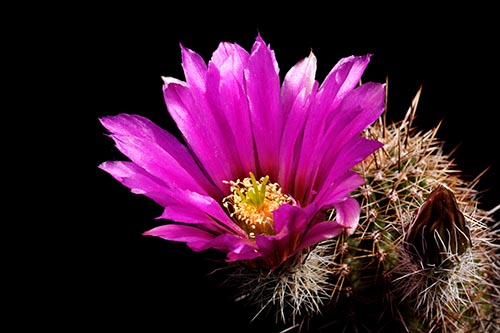
Verfügbarkeit von Echinocereus bonkerae im Echinocereus Online Shop prüfen
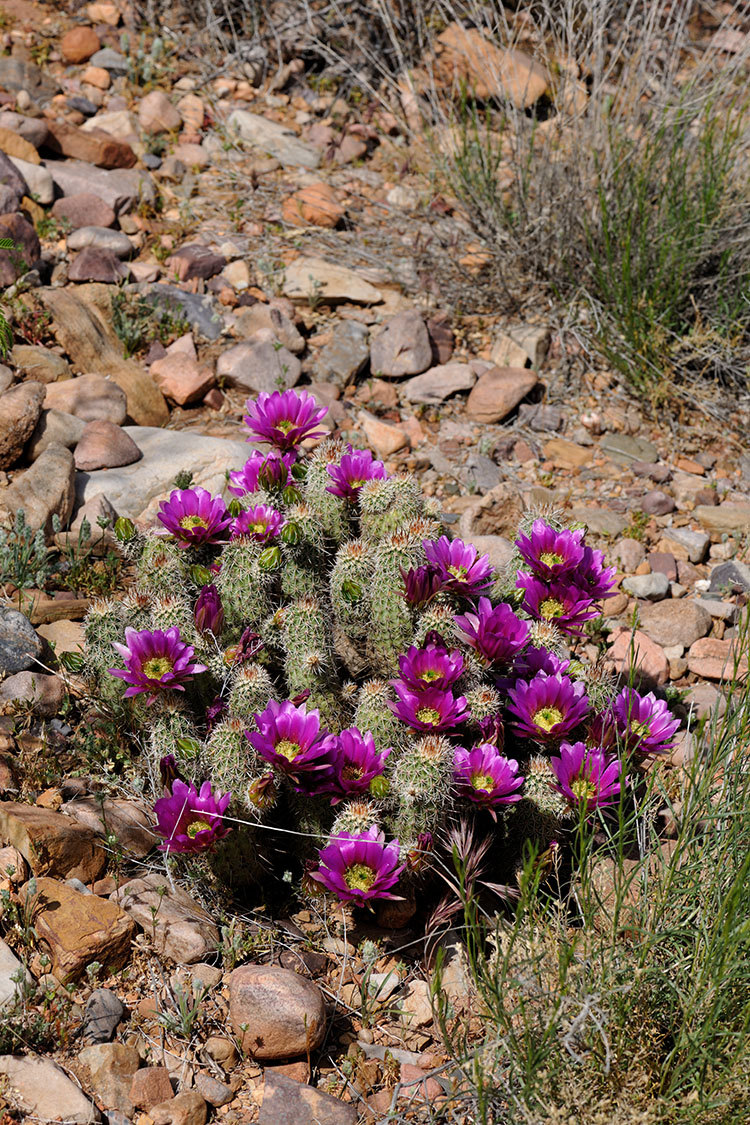
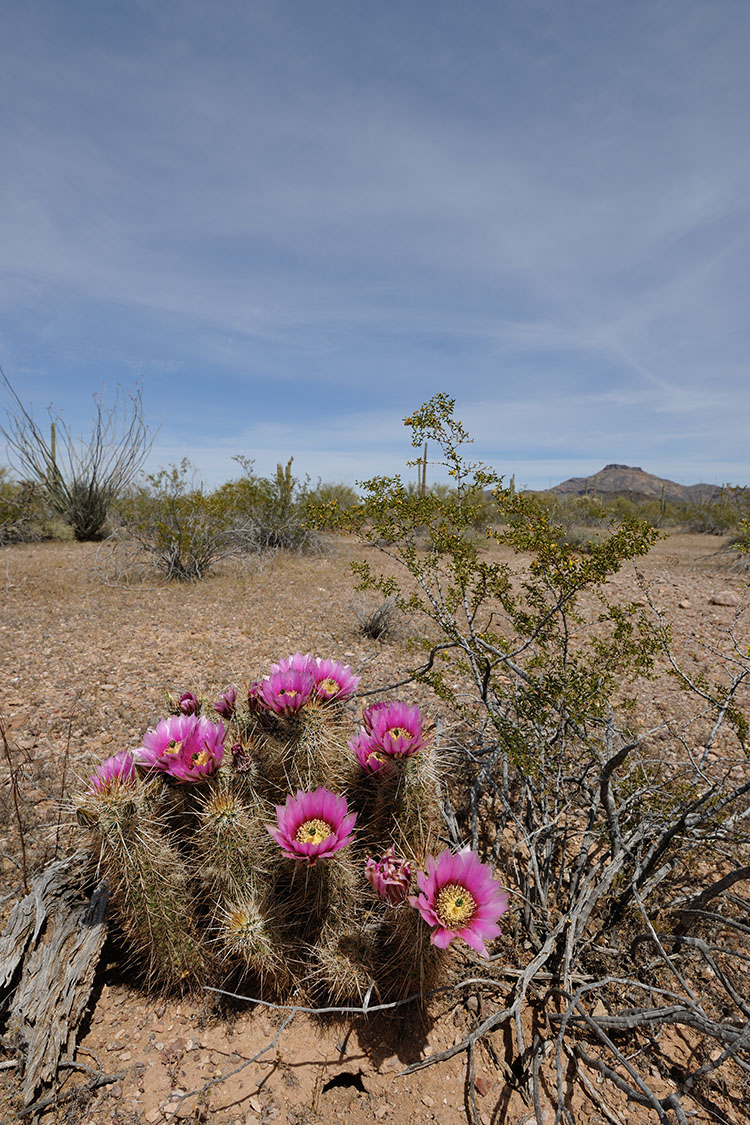

Echinocereus yavapaiensis M.A. BAKER Baker, M. A..- Pl. Syst. Evol. 258: 63 – 83 (2006) Holotypus USA, Arizona, Yavapai County, Battle Flat Quadrangle, Muldoon Gulch, 7 km NNE of Crown King, 5. April 2000, MAB & DL 13723 [ASU 238488, Barcode 8818471] Synonyme Keine Etymologie Echinocereus = Igelsäulenkaktus yavapaiensis = benannt nach Herkunft im Yavapai County Originaltext der Erstbeschreibung (Auszug) Stems generally uniformly cespitose, to 48 cm long, mostly less than 30 cm; thick, averaging nearly 7 cm in diameter, number of ribs 10–14, mostly 12; distance between adjacent areoles on the same rib mostly less than 10 mm; number of radial spines ca. 9, ca. 2 cm long; number of central spines 1–3 (4), to 6 cm long, mostly less than 3 cm, thin, ca. 0.55 mm dia.; flowers dimorphic with a single form per plant; pollen-fertile flowers averaging 54 mm long and 38 mm wide, length from base of pericarpel to upper areole 42 mm, style averaging 33 mm long, stamens averaging 30 mm long; pollen-sterile flowers smaller, averaging 49 mm in length …
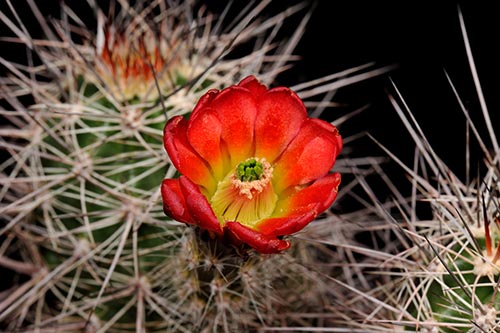
Verfügbarkeit von Echinocereus canyonensis im Echinocereus Online Shop prüfen
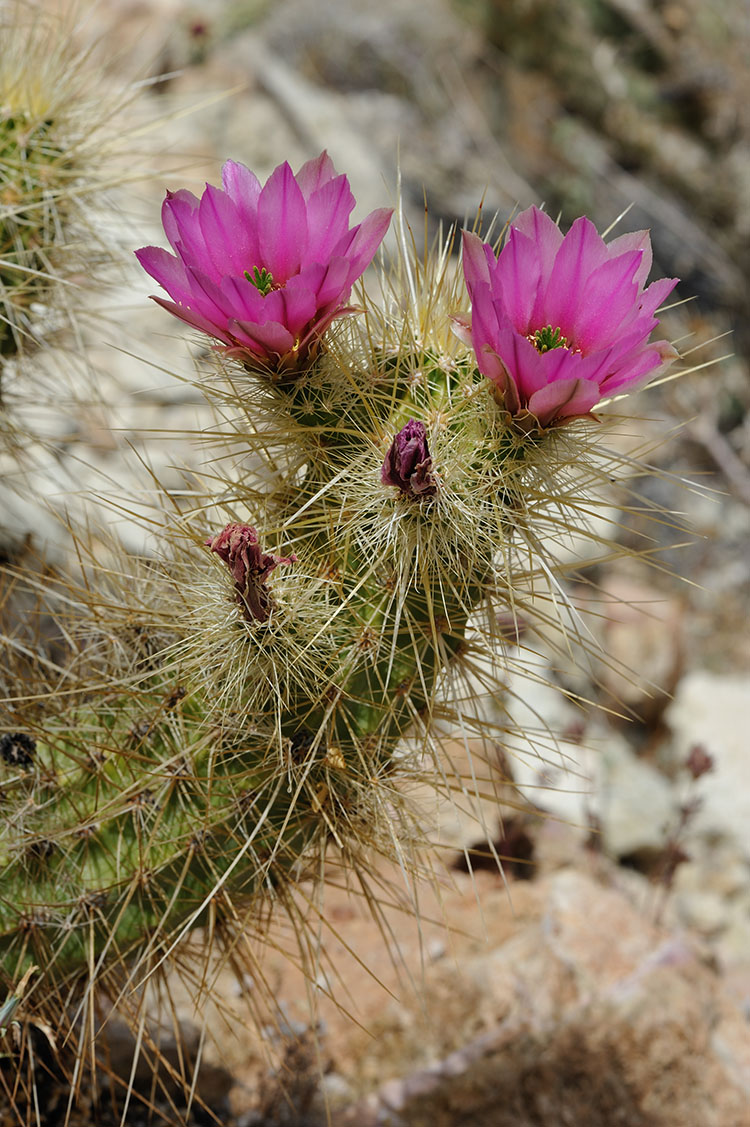
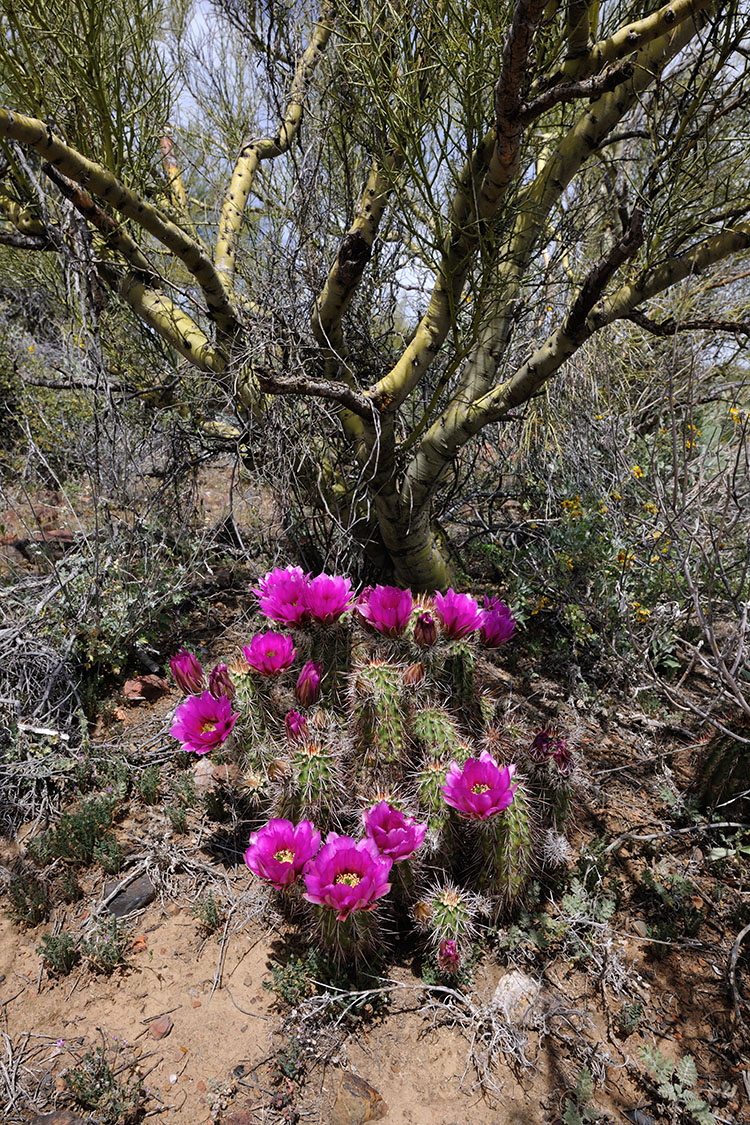
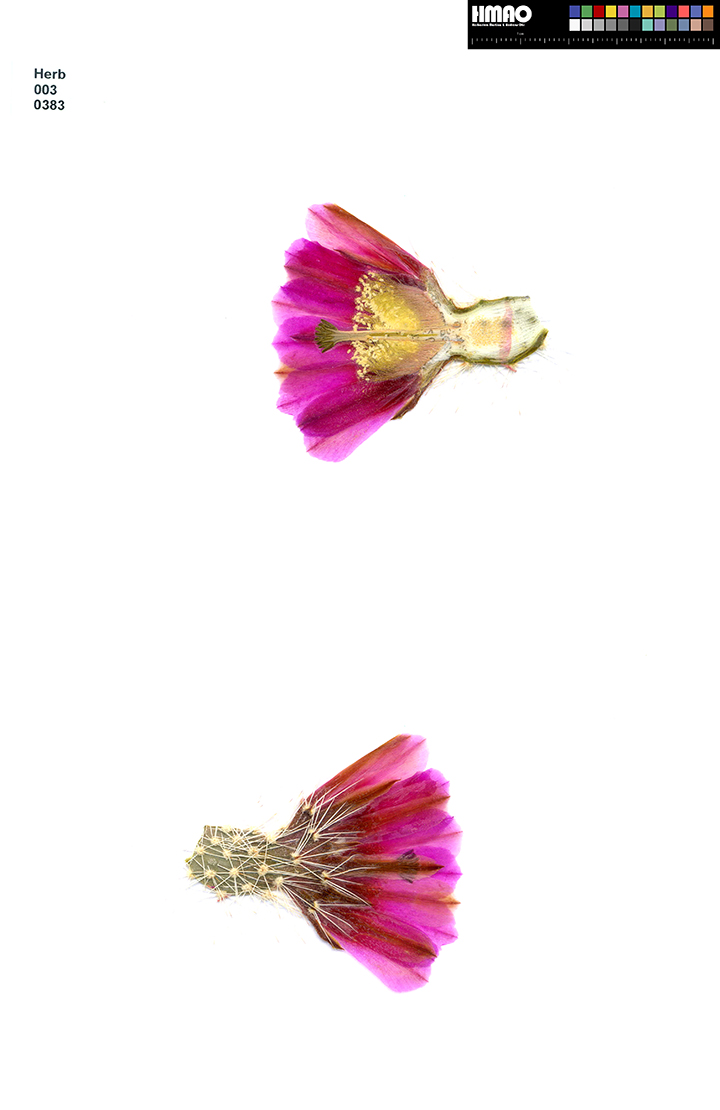
Herbarium Martina und Andreas Ohr HMAO-003-0383 Echinocereus engelmannii, USA, Arizona, Toroweap Point-Fredonia Für die Ansicht mit Mobile Phones bitte Gerät in Querformat drehen
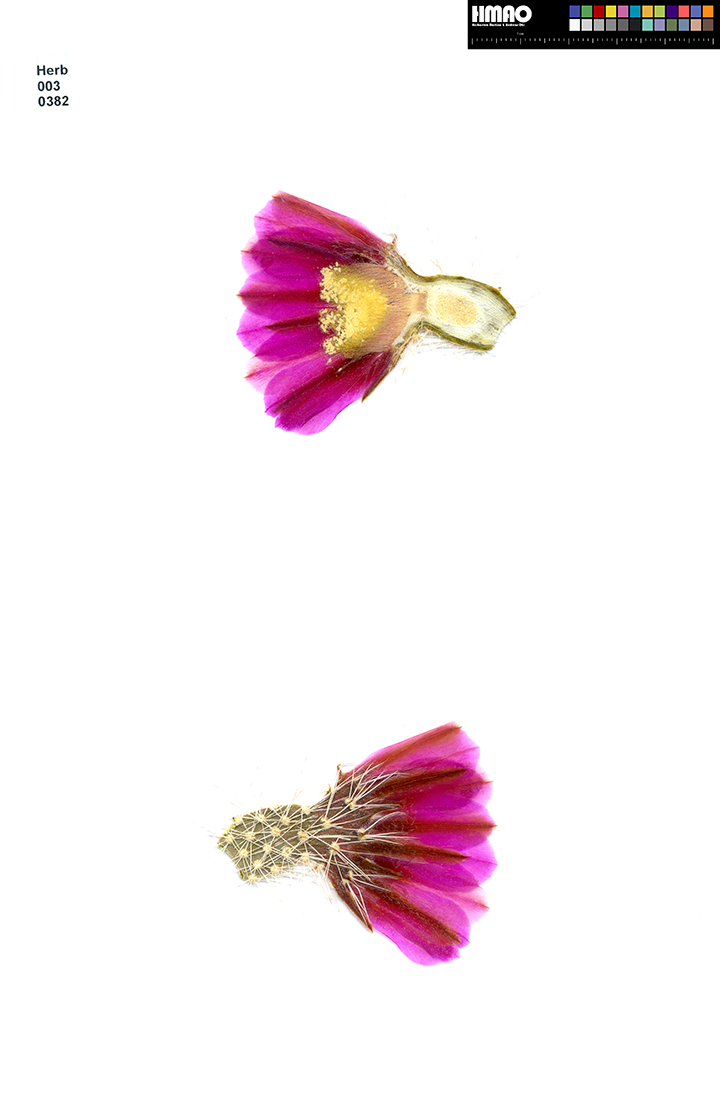
Herbarium Martina und Andreas Ohr HMAO-003-0382 Echinocereus engelmannii, USA, Arizona, Toroweap Point-Fredonia Für die Ansicht mit Mobile Phones bitte Gerät in Querformat drehen

Verfügbarkeit von Echinocereus fendleri im Echinocereus Online Shop prüfen

Verfügbarkeit von Echinocereus bonkerae im Echinocereus Online Shop prüfen

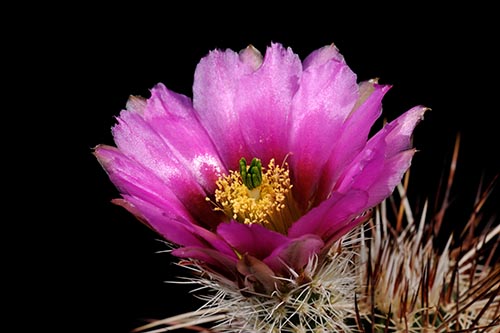
Verfügbarkeit von Echinocereus engelmannii im Echinocereus Online Shop prüfen

Herbarium Martina und Andreas Ohr HMAO-003-0357 Echinocereus engelmannii fasciculatus, USA, Arizona, Apache Trail Für die Ansicht mit Mobile Phones bitte Gerät in Querformat drehen

Herbarium Martina und Andreas Ohr HMAO-003-0356 Echinocereus engelmannii fasciculatus, USA, Arizona, Apache Trail Für die Ansicht mit Mobile Phones bitte Gerät in Querformat drehen

Herbarium Martina und Andreas Ohr HMAO-003-0353 Echinocereus santaritensis, USA, Arizona, Parker Lake Für die Ansicht mit Mobile Phones bitte Gerät in Querformat drehen
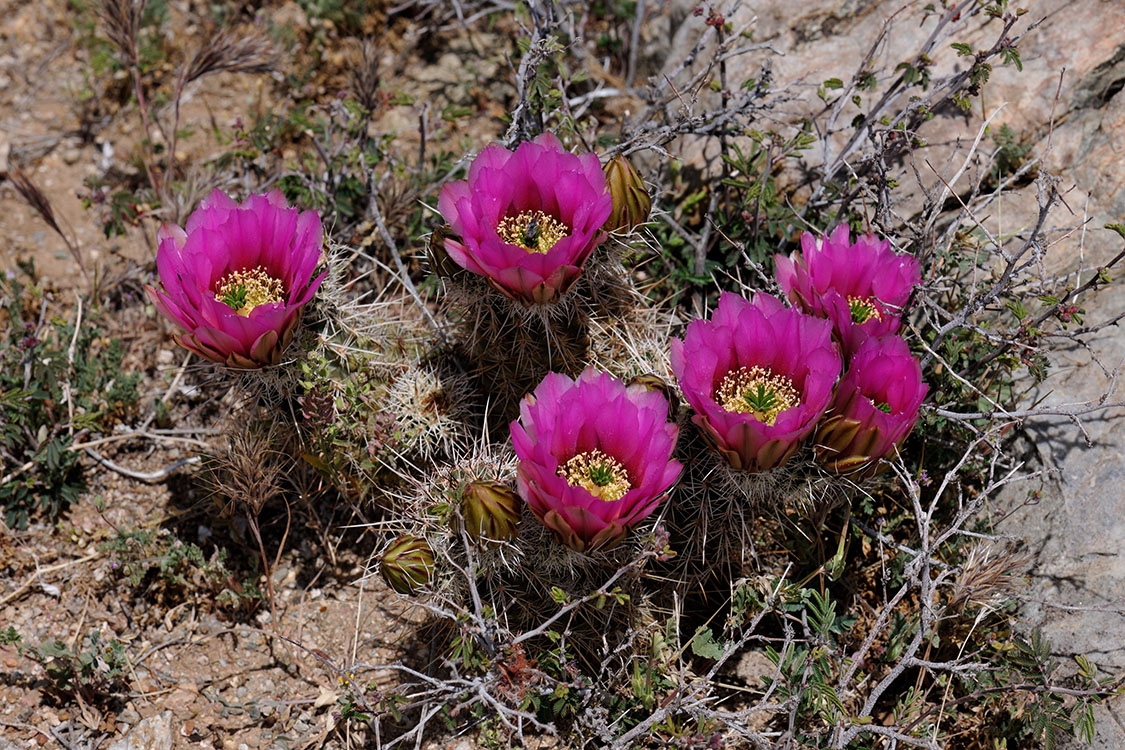

Herbarium Martina und Andreas Ohr HMAO-003-0352 Echinocereus santaritensis, USA, Arizona, Parker Lake Für die Ansicht mit Mobile Phones bitte Gerät in Querformat drehen
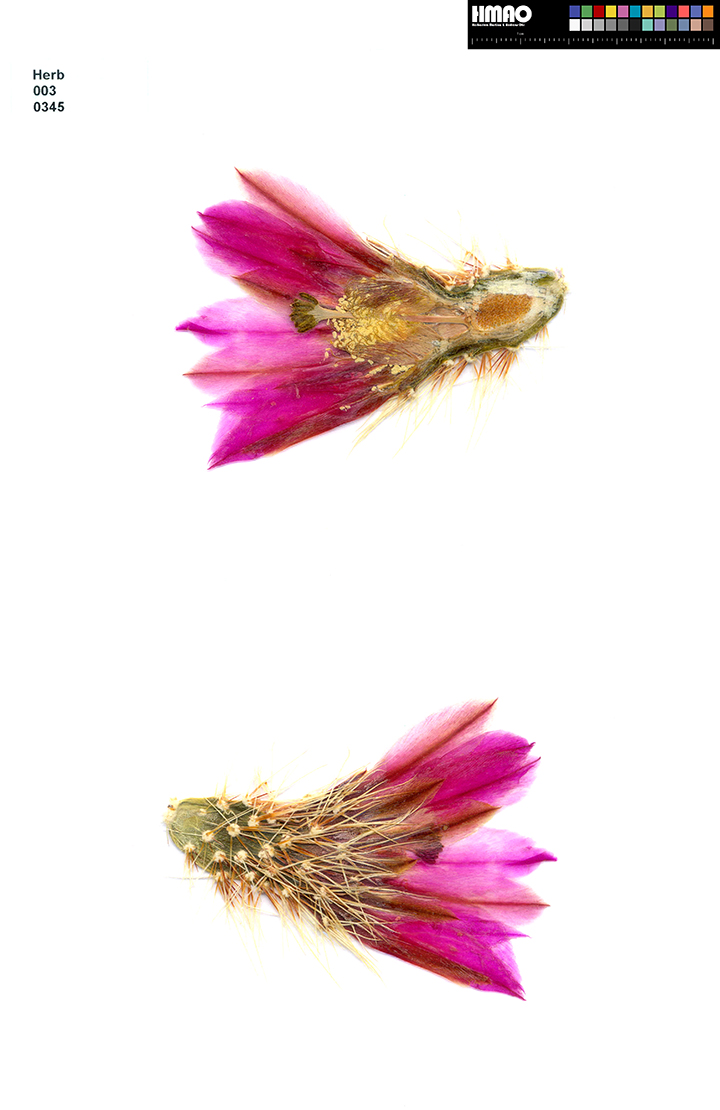
Herbarium Martina und Andreas Ohr HMAO-003-0345 Echinocereus nicholii, USA, Arizona, Organ Pipe Für die Ansicht mit Mobile Phones bitte Gerät in Querformat drehen
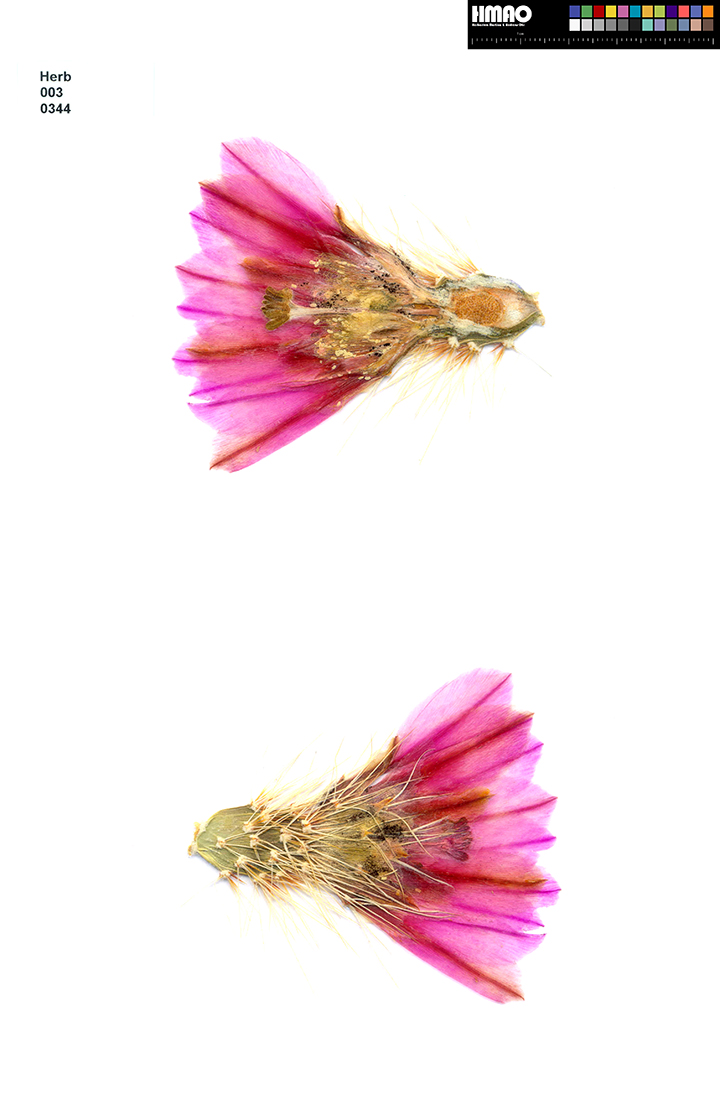
Herbarium Martina und Andreas Ohr HMAO-003-0344 Echinocereus nicholii, USA, Arizona, Organ Pipe Für die Ansicht mit Mobile Phones bitte Gerät in Querformat drehen
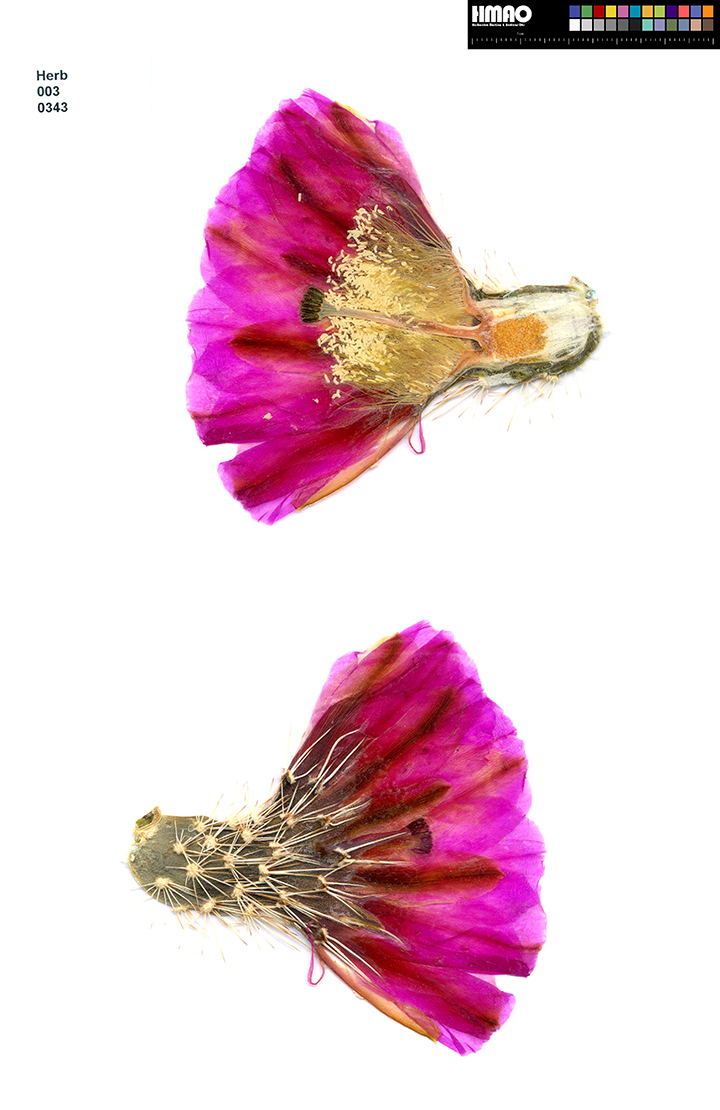
Herbarium Martina und Andreas Ohr HMAO-003-0343 Echinocereus engelmannii, USA, Arizona, Organ Pipe Für die Ansicht mit Mobile Phones bitte Gerät in Querformat drehen

Herbarium Martina und Andreas Ohr HMAO-003-0342 Echinocereus engelmannii, USA, Arizona, Organ Pipe Für die Ansicht mit Mobile Phones bitte Gerät in Querformat drehen
Verfügbarkeit von Echinocereus bonkerae im Echinocereus Online Shop prüfen

Herbarium Martina und Andreas Ohr HMAO-003-0341 Echinocereus bonkerae, USA, Arizona, Magma Copper Für die Ansicht mit Mobile Phones bitte Gerät in Querformat drehen

Herbarium Martina und Andreas Ohr HMAO-003-0340 Echinocereus bonkerae, USA, Arizona, Magma Copper Für die Ansicht mit Mobile Phones bitte Gerät in Querformat drehen
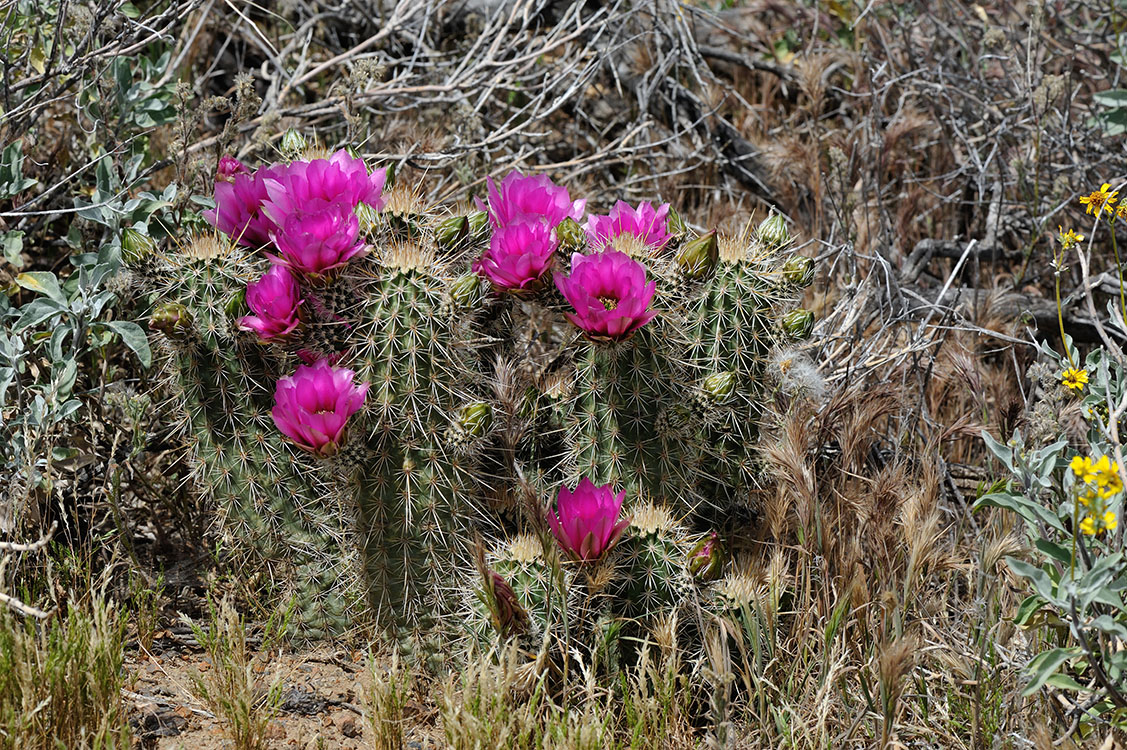
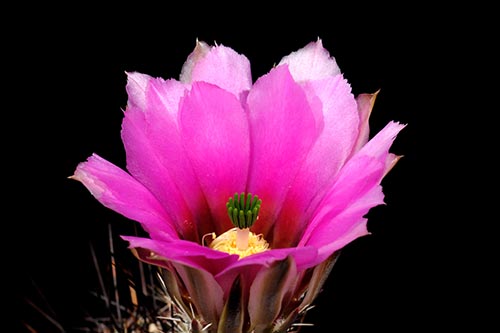
Verfügbarkeit von Echinocereus fendleri im Echinocereus Online Shop prüfen
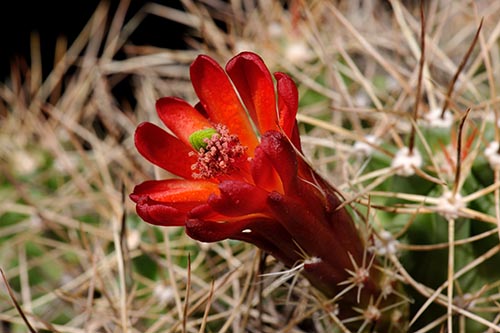
Verfügbarkeit von Echinocereus mojavensis im Echinocereus Online Shop prüfen
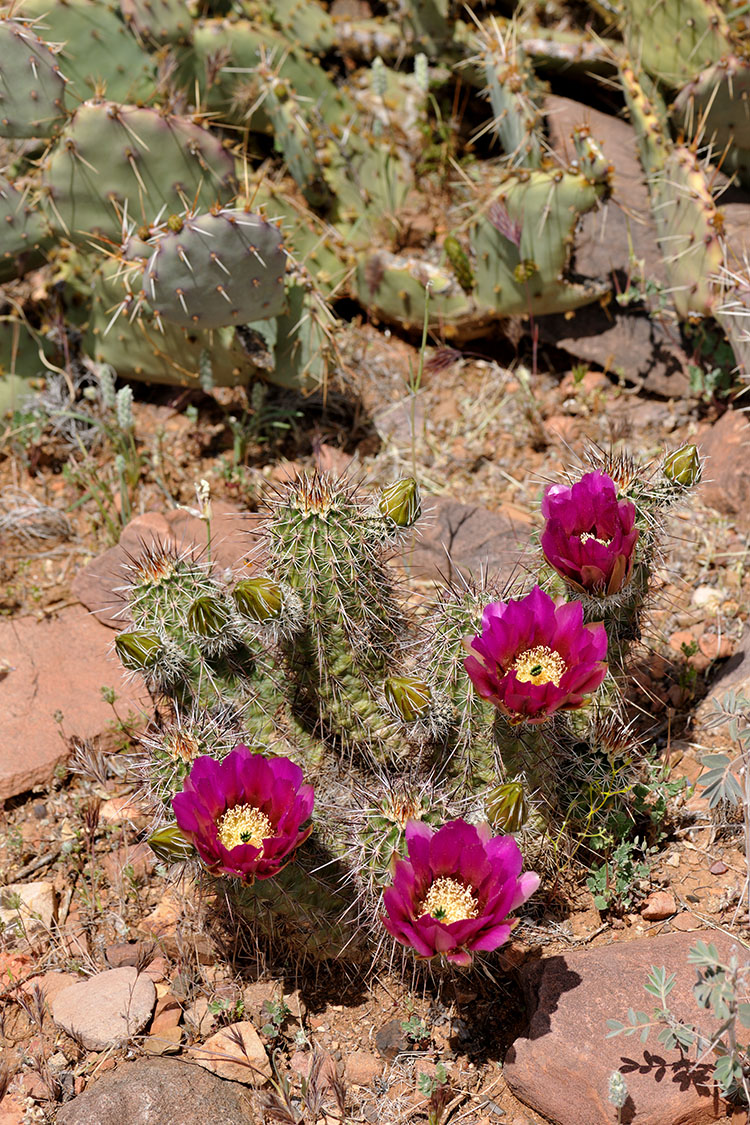
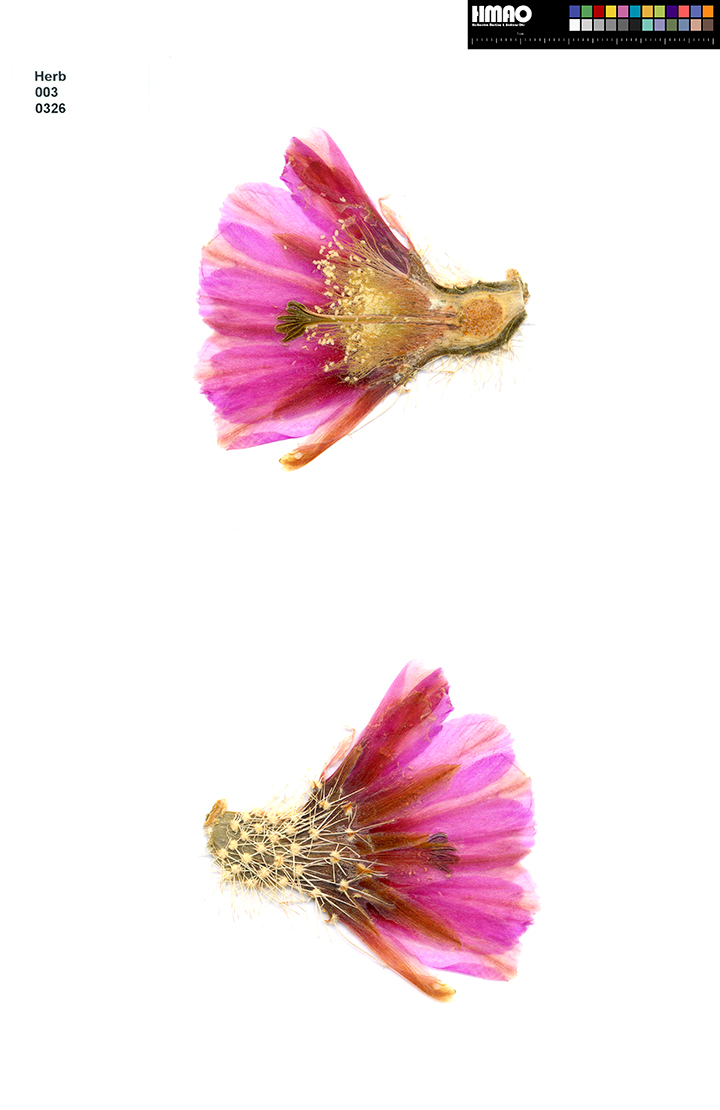
Martina und Andreas Ohr HMAO-003-0326 Echinocereus engelmannii fasciculatus, USA, Arizona, Boyce Thompson Für die Ansicht mit Mobile Phones bitte Gerät in Querformat drehen

Herbarium Martina und Andreas Ohr HMAO-003-0325 Echinocereus engelmannii fasciculatus, USA, Arizona, Boyce Thompson Für die Ansicht mit Mobile Phones bitte Gerät in Querformat drehen

Herbarium Martina und Andreas Ohr HMAO-003-0324 Echinocereus engelmannii fasciculatus, USA, Arizona, Boyce Thompson Für die Ansicht mit Mobile Phones bitte Gerät in Querformat drehen

Herbarium Martina und Andreas Ohr HMAO-003-0323 Echinocereus engelmannii fasciculatus, USA, Arizona, Boyce Thompson Für die Ansicht mit Mobile Phones bitte Gerät in Querformat drehen

Herbarium Martina und Andreas Ohr HMAO-003-0322 Echinocereus engelmannii fasciculatus, USA, Arizona, Boyce Thompson Für die Ansicht mit Mobile Phones bitte Gerät in Querformat drehen
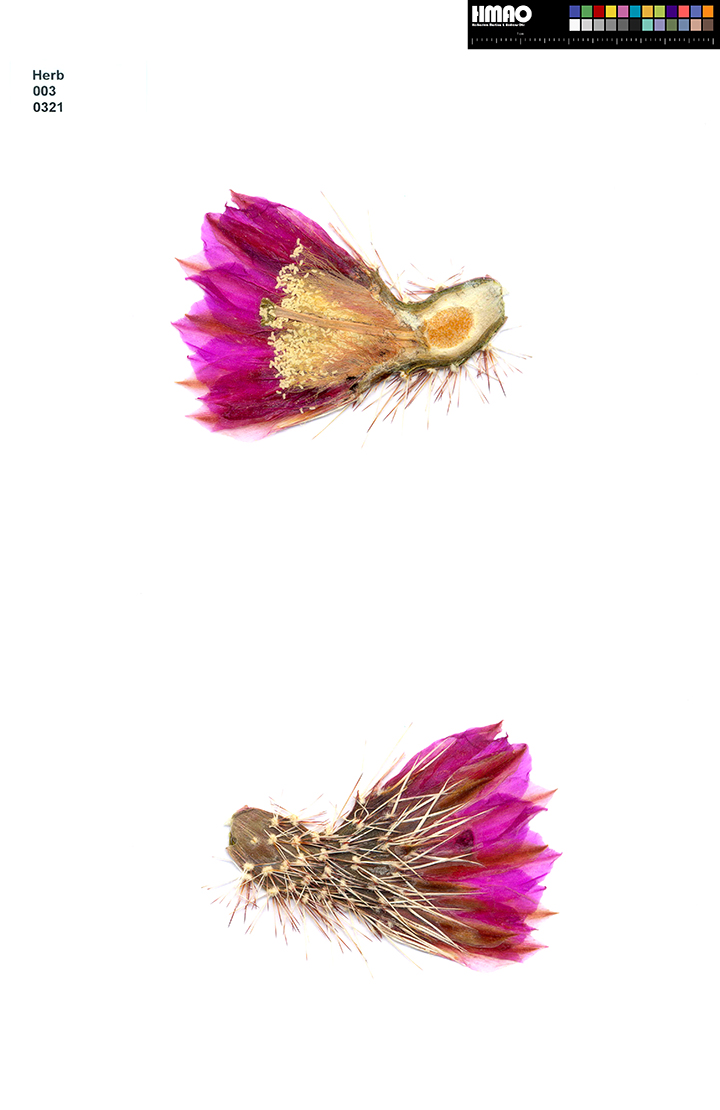
Herbarium Martina und Andreas Ohr HMAO-003-0321 Echinocereus engelmannii, USA, Arizona, Wickenburg Für die Ansicht mit Mobile Phones bitte Gerät in Querformat drehen

Herbarium Martina und Andreas Ohr HMAO-003-0320 Echinocereus engelmannii, USA, Arizona, Wickenburg Für die Ansicht mit Mobile Phones bitte Gerät in Querformat drehen
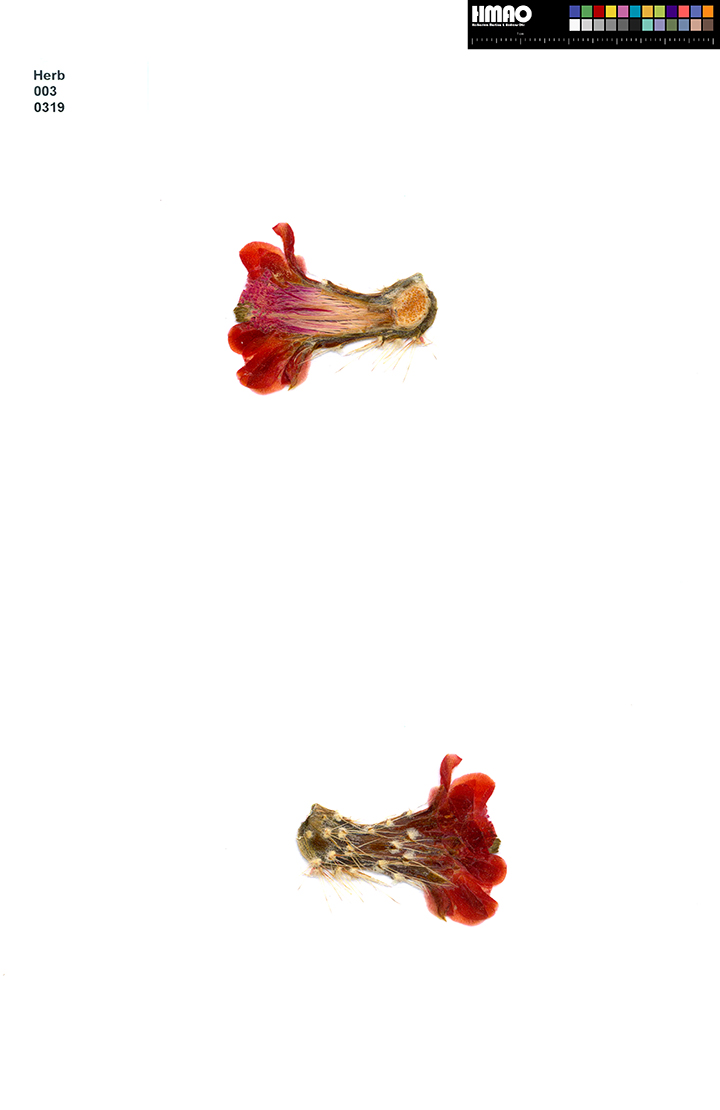
Herbarium Martina und Andreas Ohr HMAO-003-0319 Echinocereus yavapaiensis, USA, Arizona, Yarnell Für die Ansicht mit Mobile Phones bitte Gerät in Querformat drehen
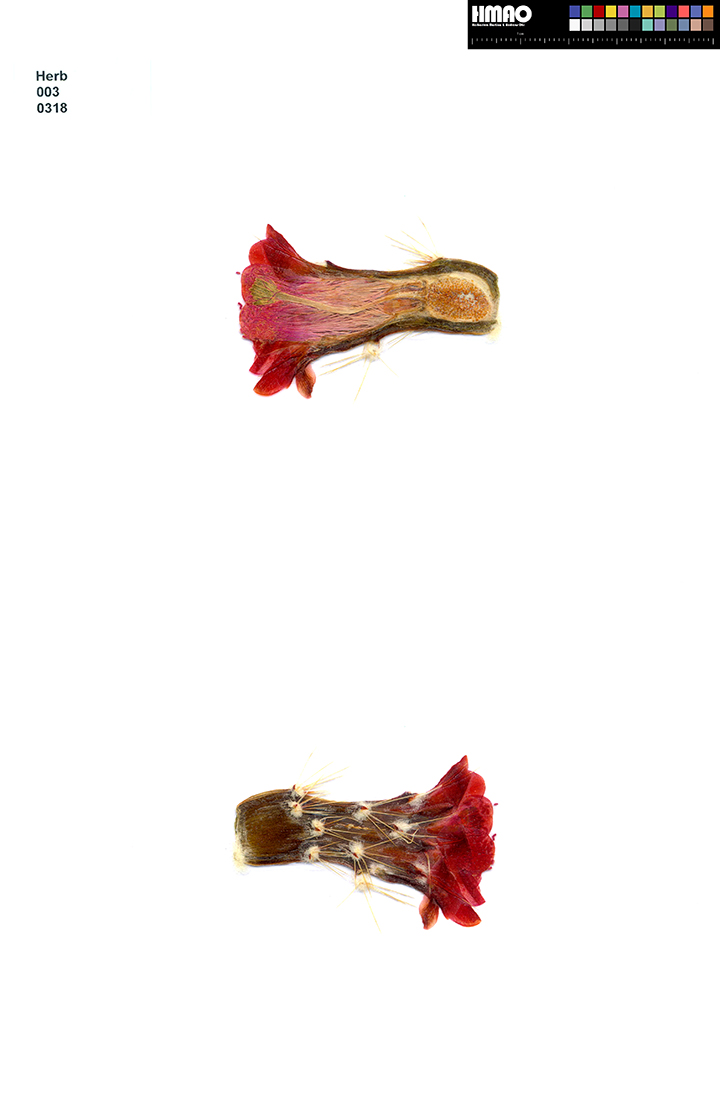
Herbarium Martina und Andreas Ohr HMAO-003-0318 Echinocereus yavapaiensis, USA, Arizona, Yarnell Für die Ansicht mit Mobile Phones bitte Gerät in Querformat drehen

Herbarium Martina und Andreas Ohr HMAO-003-0317 Echinocereus yavapaiensis, USA, Arizona, Yarnell Für die Ansicht mit Mobile Phones bitte Gerät in Querformat drehen

Herbarium Martina und Andreas Ohr HMAO-003-0316 Echinocereus yavapaiensis, USA, Arizona, Yarnell Für die Ansicht mit Mobile Phones bitte Gerät in Querformat drehen

Herbarium Martina und Andreas Ohr HMAO-003-0315 Echinocereus engelmannii, USA, Arizona, Merritt Pass Für die Ansicht mit Mobile Phones bitte Gerät in Querformat drehen

Herbarium Martina und Andreas Ohr HMAO-003-0314 Echinocereus engelmannii, USA, Arizona, Merritt Pass Für die Ansicht mit Mobile Phones bitte Gerät in Querformat drehen

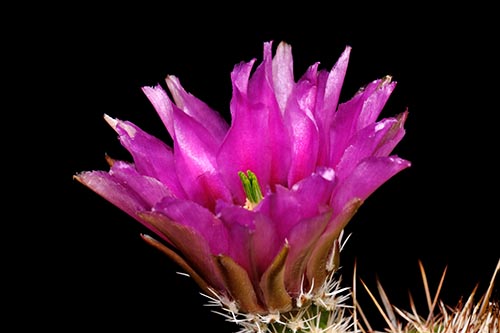
Verfügbarkeit von Echinocereus engelmannii subsp. fasciculatus im Echinocereus Online Shop prüfen
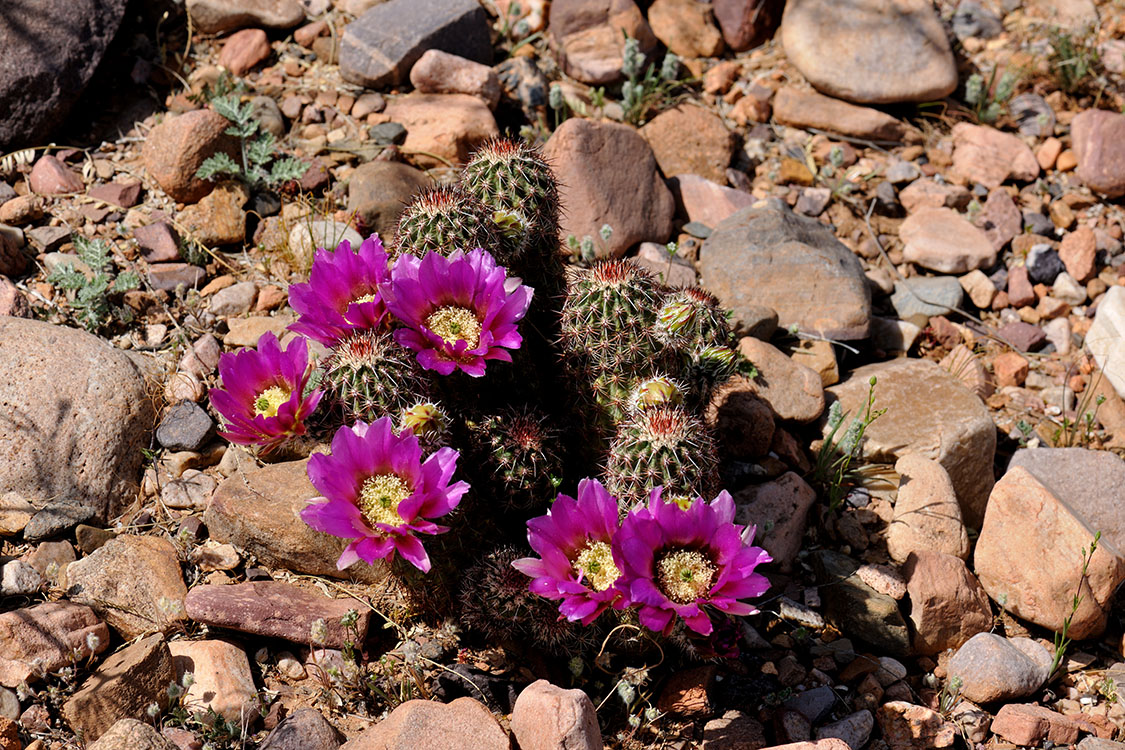
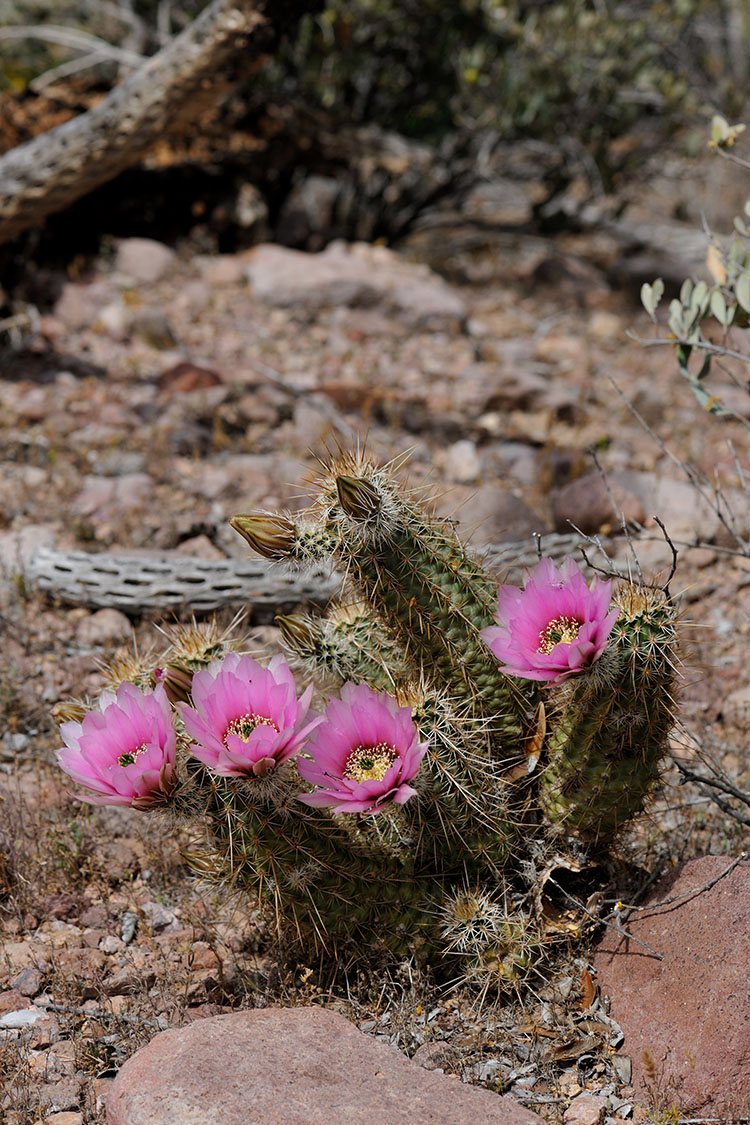
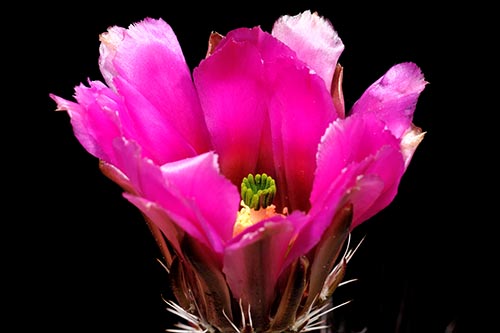
Verfügbarkeit von Echinocereus fendleri im Echinocereus Online Shop prüfen
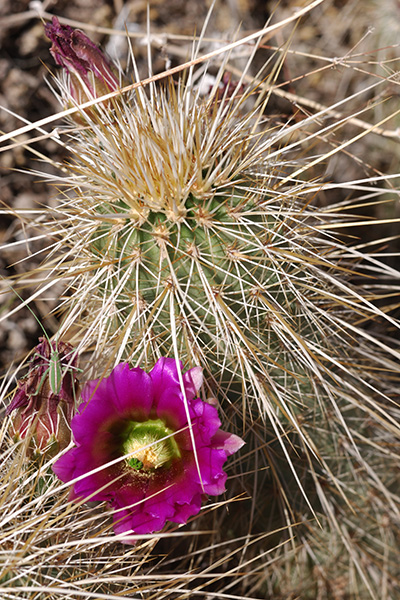
Echinocereus bonkerae J. J. THORNBER & F. BONKER subsp. apachensis (W. BLUM & J. RUTOW) A. ZIMMERMAN Baker et al.: – Chromosome numbers of some cacti of the Western North America. – Haseltonia 15 (VII): 120 (2009) Holotypus USA, Arizona, Maricopa County, Apache Trail, near Fish Creek, Mc Kelvey 735, 18. February 1929 [US 1532949] Synonyme Echinocereus apachensis Echinocereus boyce-thompsonii Etymologie Echinocereus = Igelsäulenkaktus apachensis = benannt nach Vorkommen am Apache Trail Originaltext der Umkombination (2009) im Auszug The diploid chromosome number indicates that the well-known Fish Creek phenotype of Echinocereus is not part of the widespread tetraploid E. engelmannii. Echinocereus bonkerae ssp apachensis differs from typical E. bonkerae in spininess (mostly its spectacularly greater central spine length). Intermediate spine forms (highly variable) are seen in the Sierra Ancha (including one of the chromosome vouchers cited herein), the Mazatzal Mountains, and in the mountains between Globe and Superior. Subspecies apachensis is relatively xeromorphic (tall, seriously spiny plants at the lower altitudinal limits of the species). Nominate subspecies bonkerae grows as compact clumps of shorter stems …